
My practice is committed to ensure that monuments and historic buildings of cultural value are well managed and maintained, based on sound procedures and good advice. I always aim to set the highest standards in conservation and to be an example to many owners of such property.
I have well over thirty years’ experience as a conservation mason working within Northumberland and Cumbria. My main area of discipline is to focus on the application of traditional finishes. I do this by carefully studying the building fabric, often buildings reveal their secrets if you look closely, evidence of historic materials and methods remain visible even after hundreds of years.
I produce written reports, specifications and methodology based on the information I have gathered, including analysing materials and providing samples which replicate the texture and colour of the historic coatings previously applied.
I have also carried out extensive research and my own lime mortar trials to measure capillarity and drying rates. This research has enabled me to build up a selection of mortars which play very different roles in preserving historic building fabric. There is a great need to be able to understand the functional aspects of the building and the geographical environment in which it stands before considering any application.
Consultancy-Surveys, Specifications & Methodology.
Recognising the type of issues and decay at an early stage is vital, salts, freeze/thaw, pollution, oxidisation of adjacent materials, wind erosion, structural defects and past inappropriate repair work are some of the likely causes of stone decay. I never copy and paste specifications and methods from one project to another because every situation is different. Instead, I carefully study the building to reveal the problems for which I prescribe the correct materials and methods from the information gathered. Analysis of materials are usually required to replicate historic lime coatings and finishes. Often buildings reveal their secrets if you look closely, evidence of historic materials and methods remain visible even after hundreds of years. I have also carried out extensive research in lime mortars which has enabled me to create a selection of mortars which play very different roles in preserving historic building fabric.
Training, CPD.
I have always had a passion for training future generations of masons and professionals alike. I have carried out many skills days as part of grant-aided funding for masonry projects.
I’ve also worked with organisations such as the National Heritage Training Group, local authorities and colleges.
In 2008 I joined the Orton Trust where I taught Banker Masonry for ten years before it closed in 2018.
I can work freelance to oversee/supervise masonry conservation works on site and actively train staff to ensure high levels of workmanship.
Treatments - Traditional Finishes.
All treatments are based around minimum intervention and are only carried out after careful assessment of the defects and causes of decay. My specifications and methodology reflect the not only the causes of decay but, consider the building detailing and the environment. Materials should match the existing as close as possible but also may need to consider other environmental changes that did not exist at the time of the original construction.
My treatments mainly include the reversal of inappropriate repairs, mainly cement pointing and renders which have previously been applied to the detriment of the building fabric. Cement needs to be carefully removed so as not to damage the substrate, the repointing, harling, rendering and limewashing can then be applied to the substrate to protect the building as intended. Successful consolidation also relies on the packing out of wide joints with stone pinning’s and cuts down on mortar usage which in turn reduces shrinkage. Well consolidated masonry, containing no voids, will transport water from the core of the wall to the surface, removing harmful salts and keep the building dry.
Architectural Stone.
Most historic buildings are in various states of decline, some by previous inappropriate repair schemes and others left to suffer the effects of nature through an antiquity of wear and ceased to function as was intended.
It is good practice to consider all options of repair. However, the choice should be the one with the least visual impact. In the past, when stones have been replaced with new sawn ashlar, it has sometimes been carried out unnecessarily and can be unsightly if the building or structure shows excessive wear.
Other methods, including mortar repair or, the reconstruction of the core work, instead of new stone replacements, is very effective if done by experienced masons. Core work will also help to stabilise the surrounding stones and blend in much better with historic structures.
It may be reasonable however, to replace a carving of a new hoodmould or put back an element of architectural detailing with new stone. This type of repair helps to preserve craft skill and will also help to preserve the architecture of certain elements. The most often repeated phrase in conservation must be ‘conserve as found with minimum intervention'. If a decision has been taken to replace a stone, it should have been on the basis that there was no other possible option.
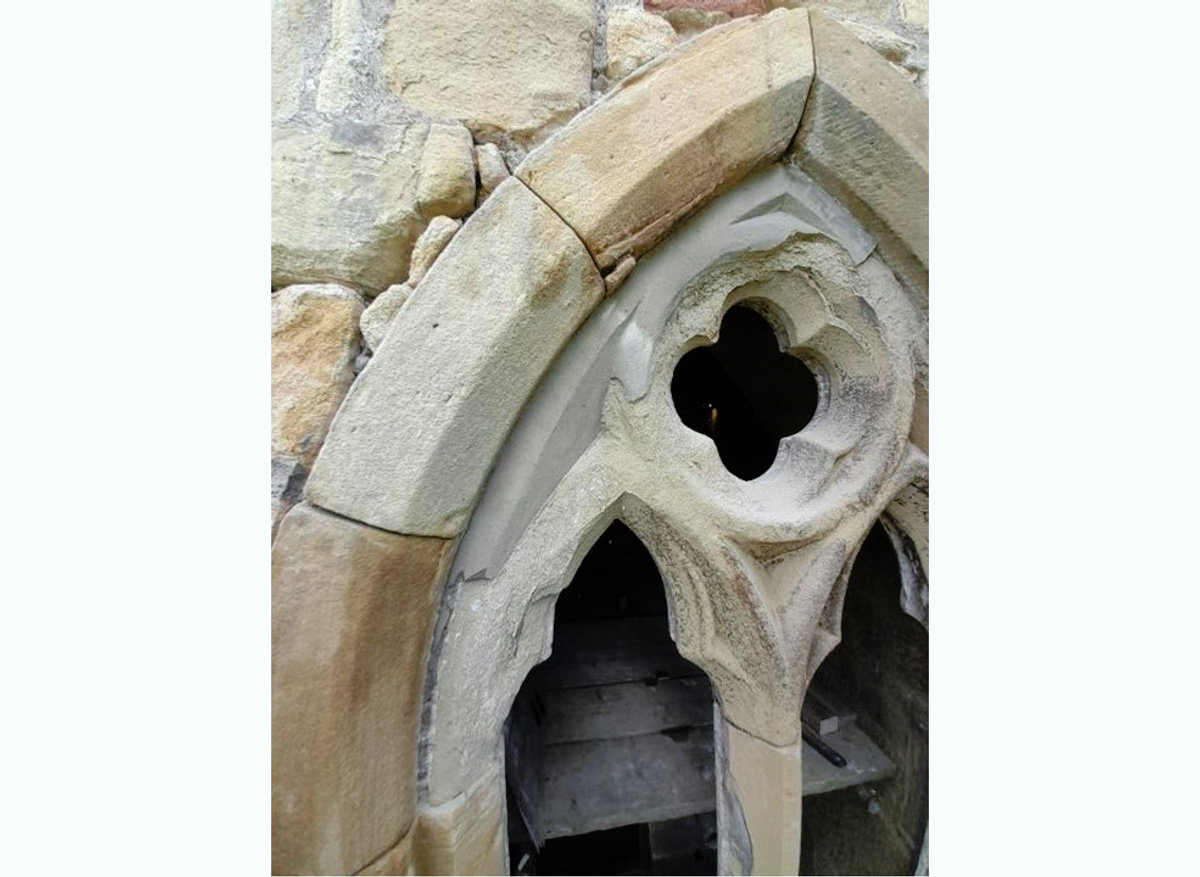
St. Michael's and All Angels Church.
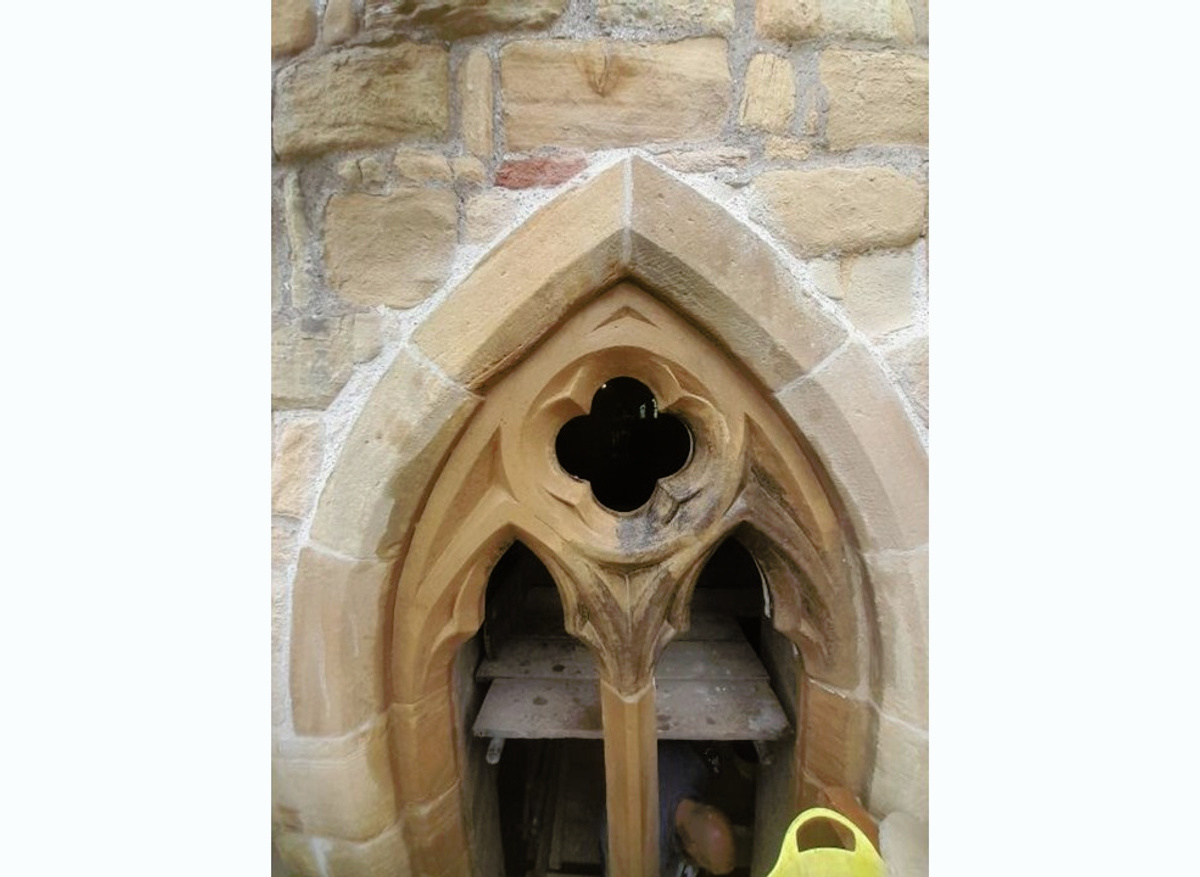
St. Michael's and All Angels Church.
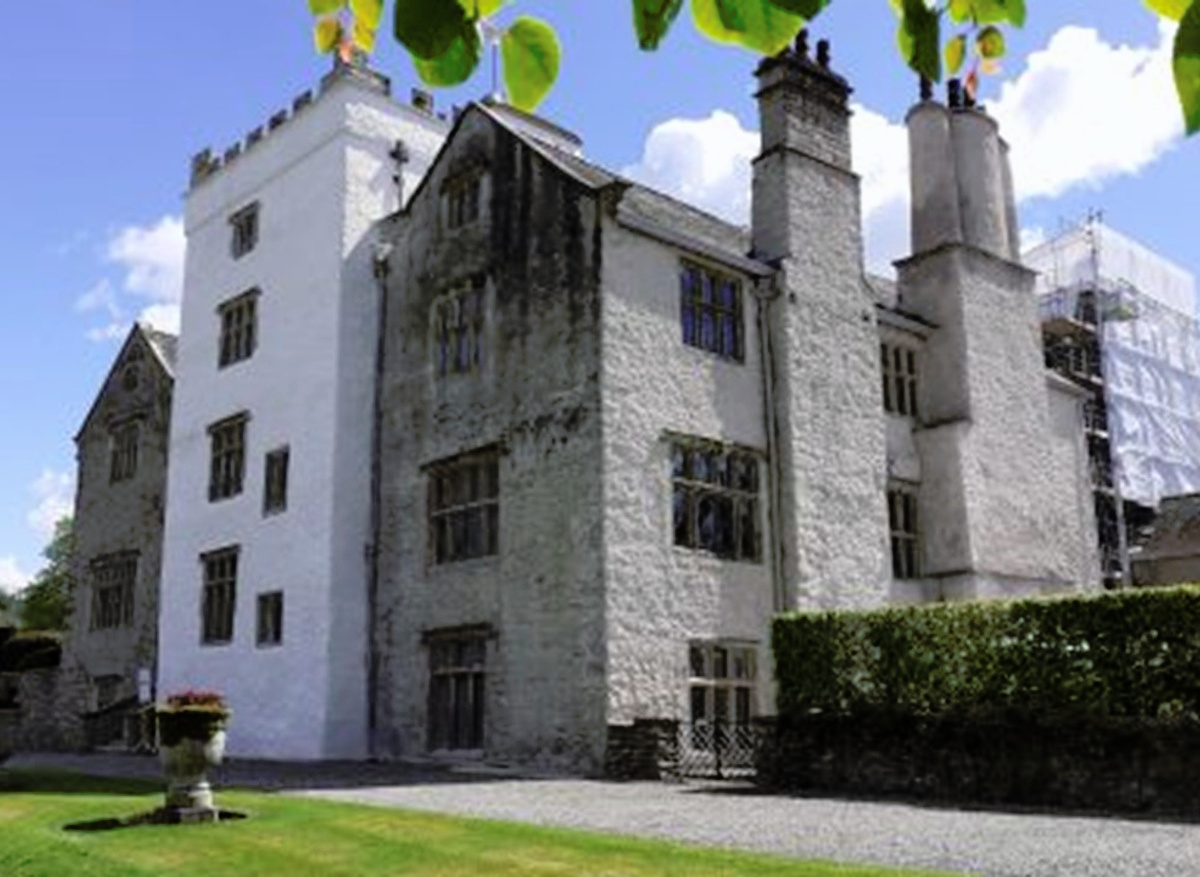
Leven’s Hall Cumbria.
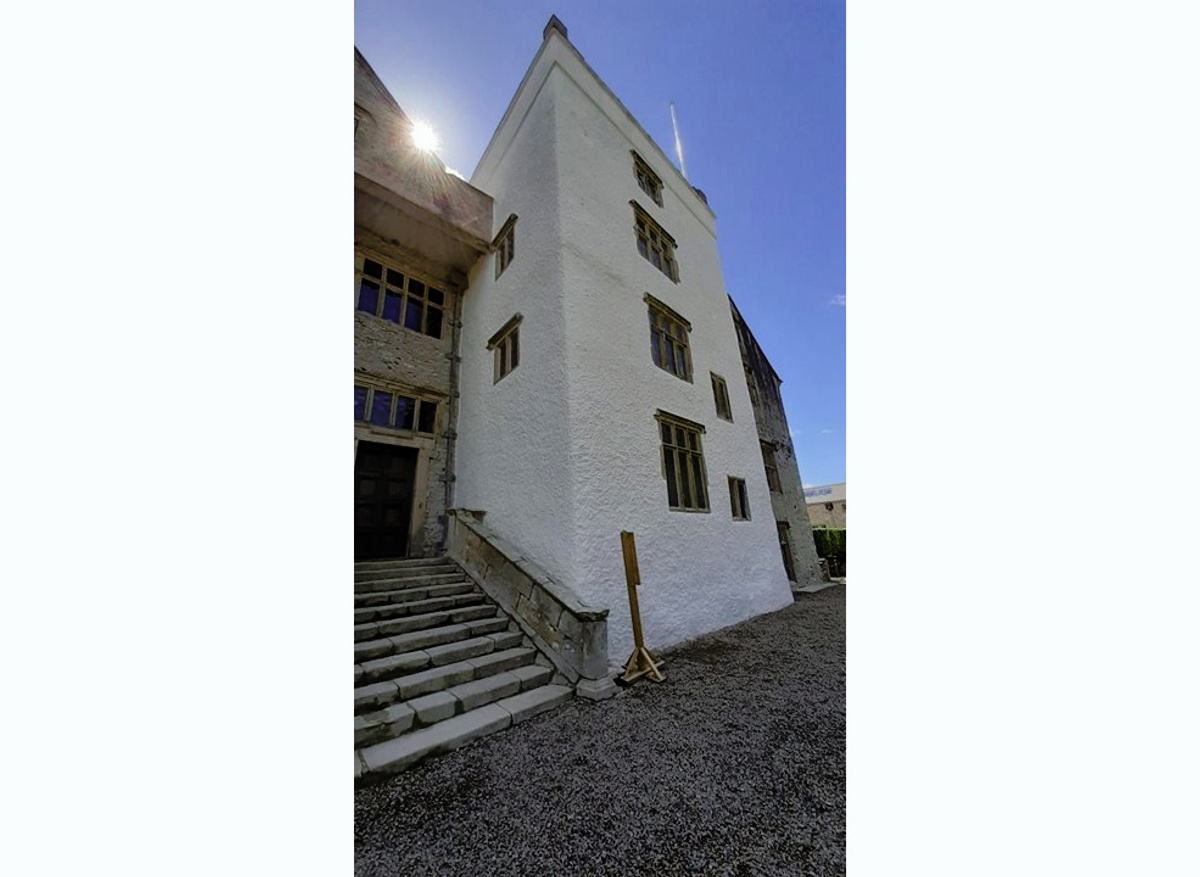
Leven’s Hall Cumbria.
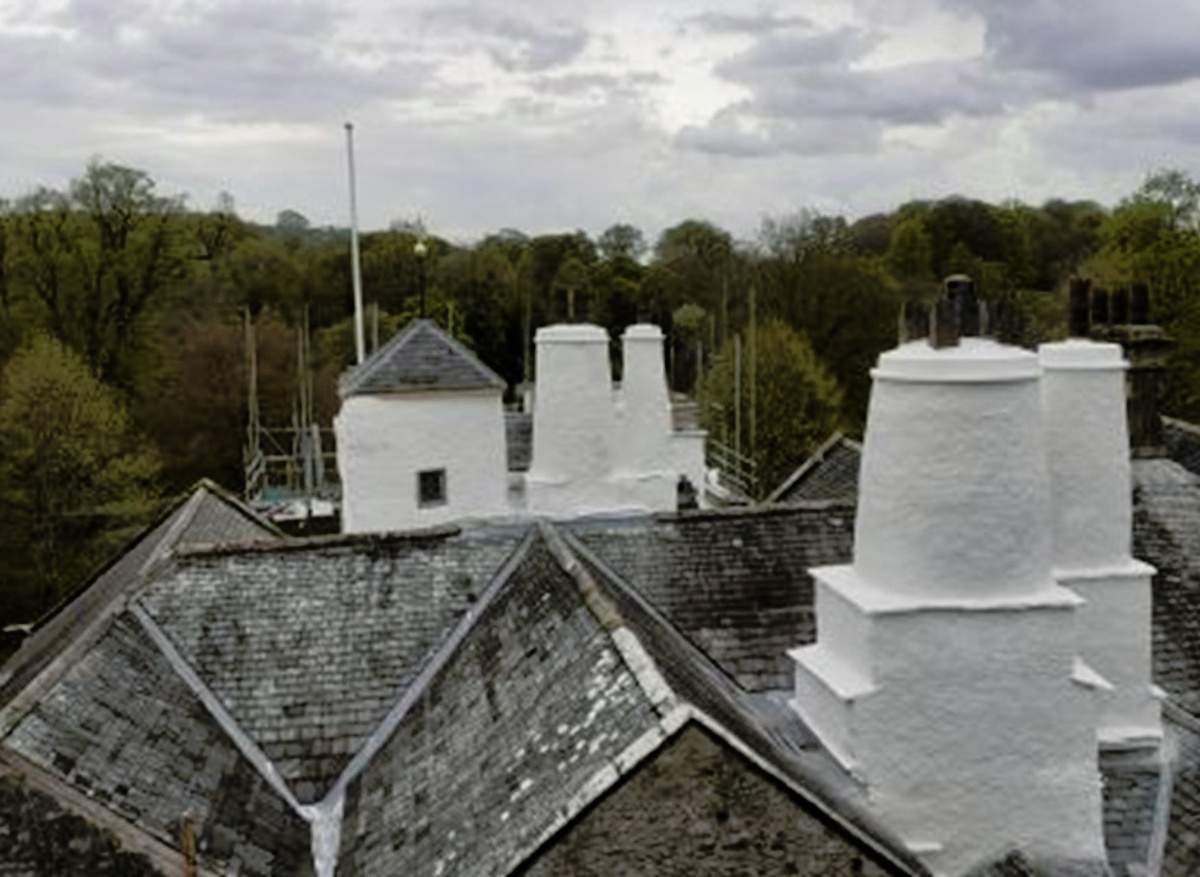
Leven’s Hall Cumbria.
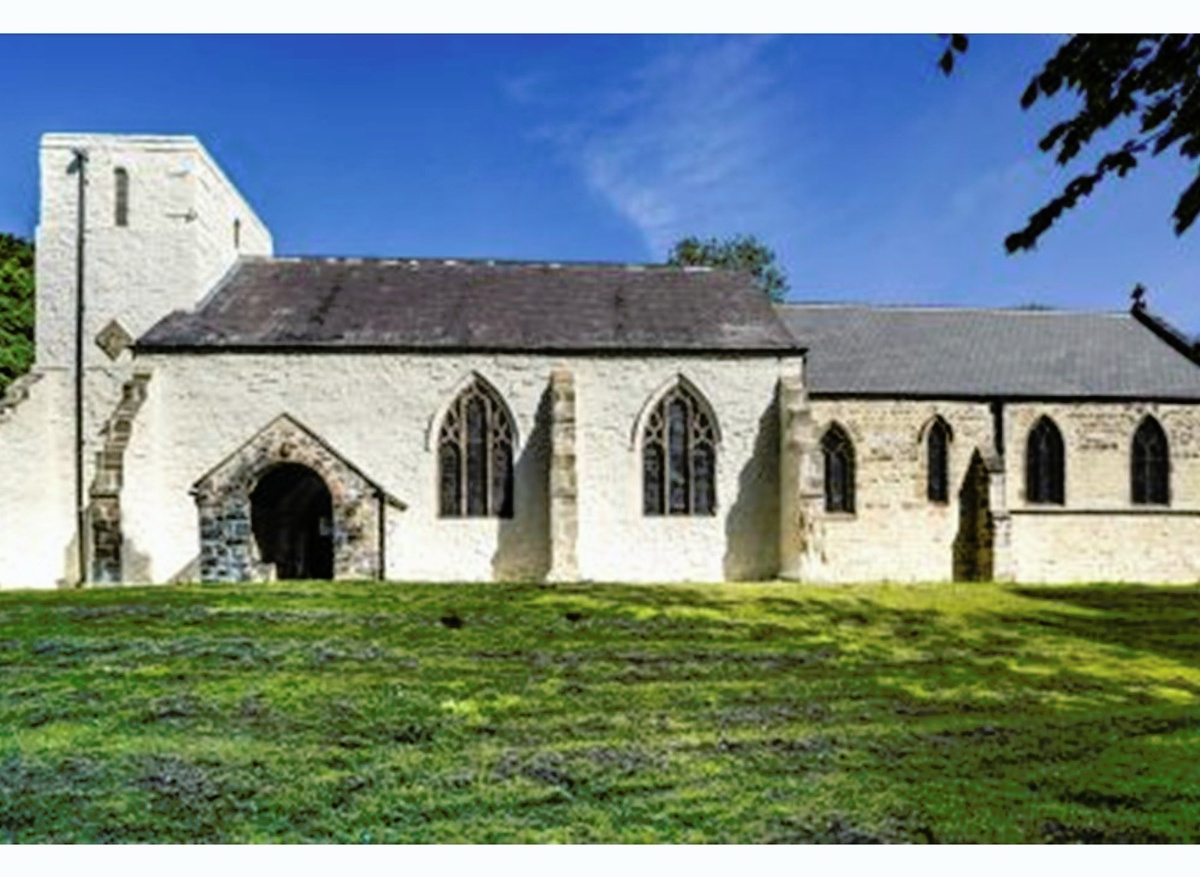
St. Hellen’s Church Durham.
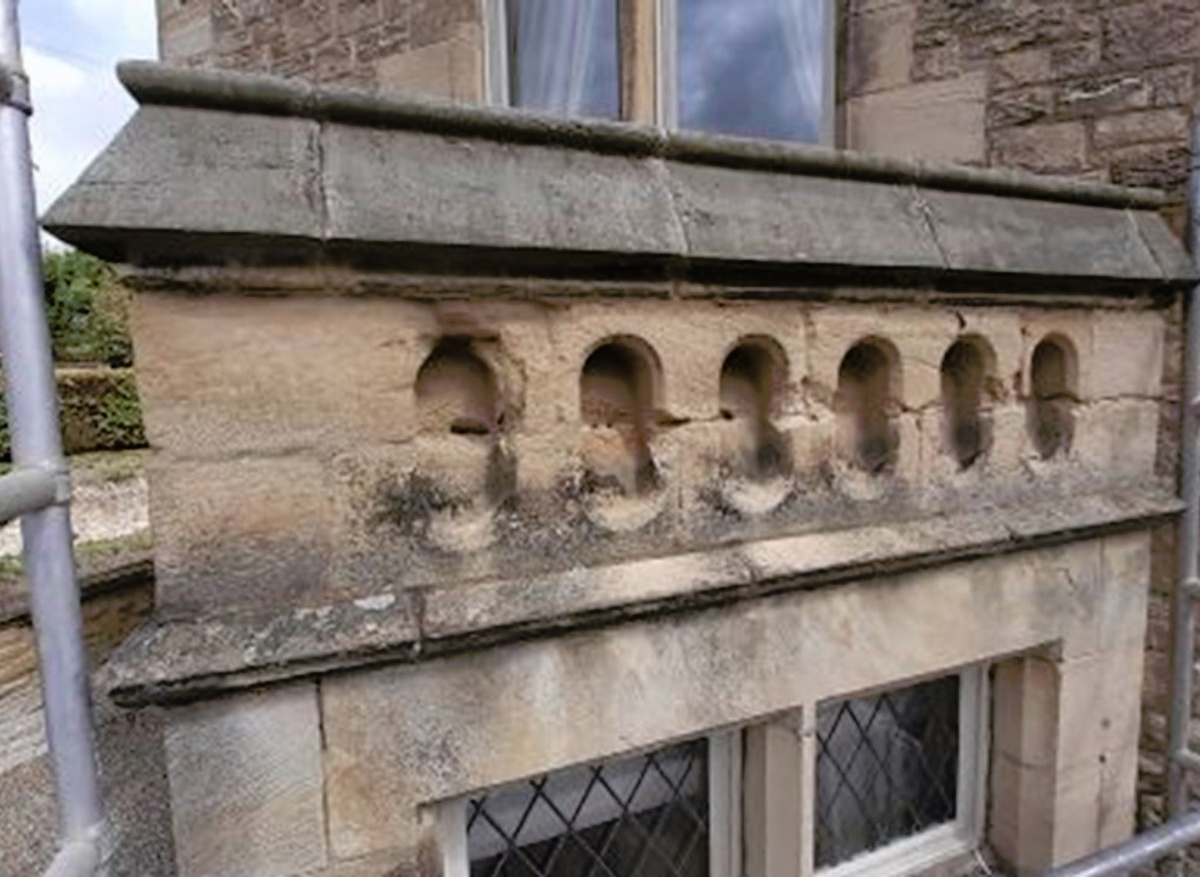
Station Road Warkworth Northumberland.
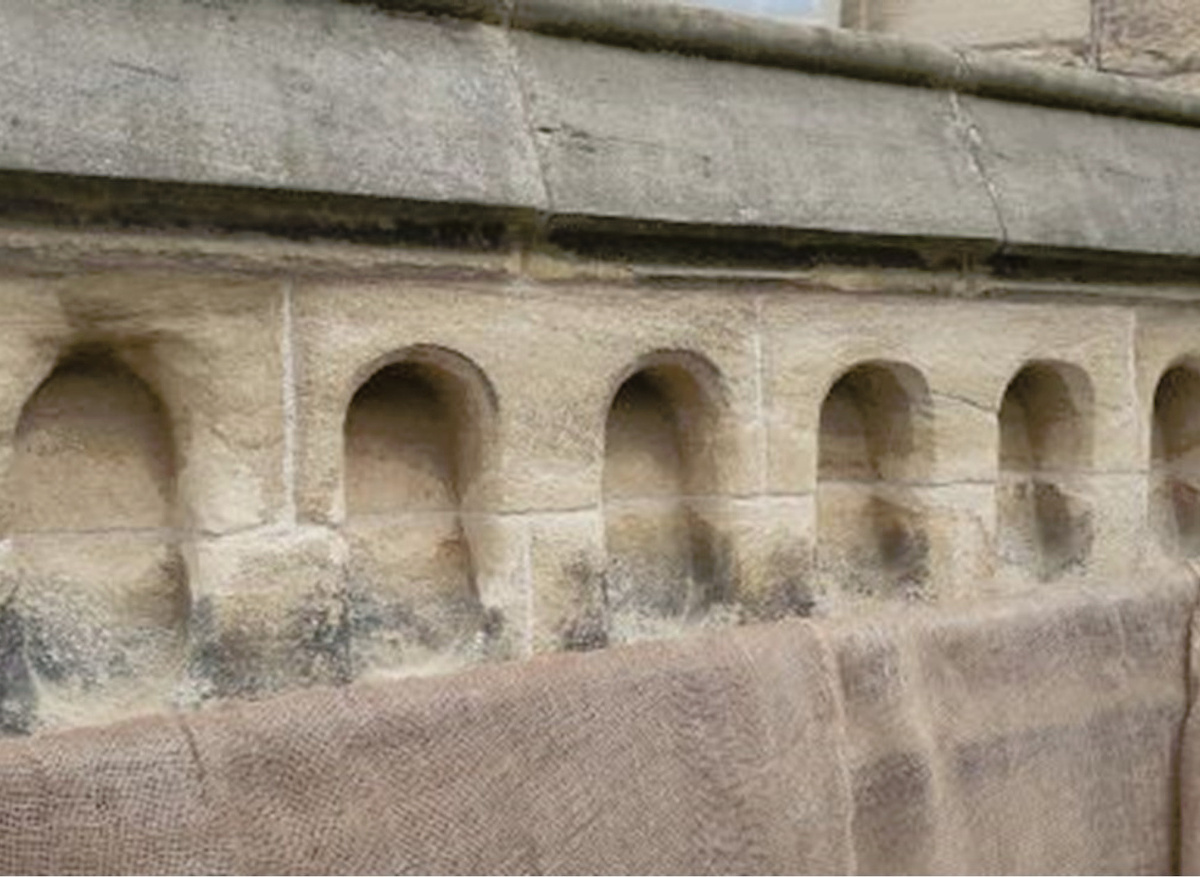
Station Road Warkworth Northumberland.
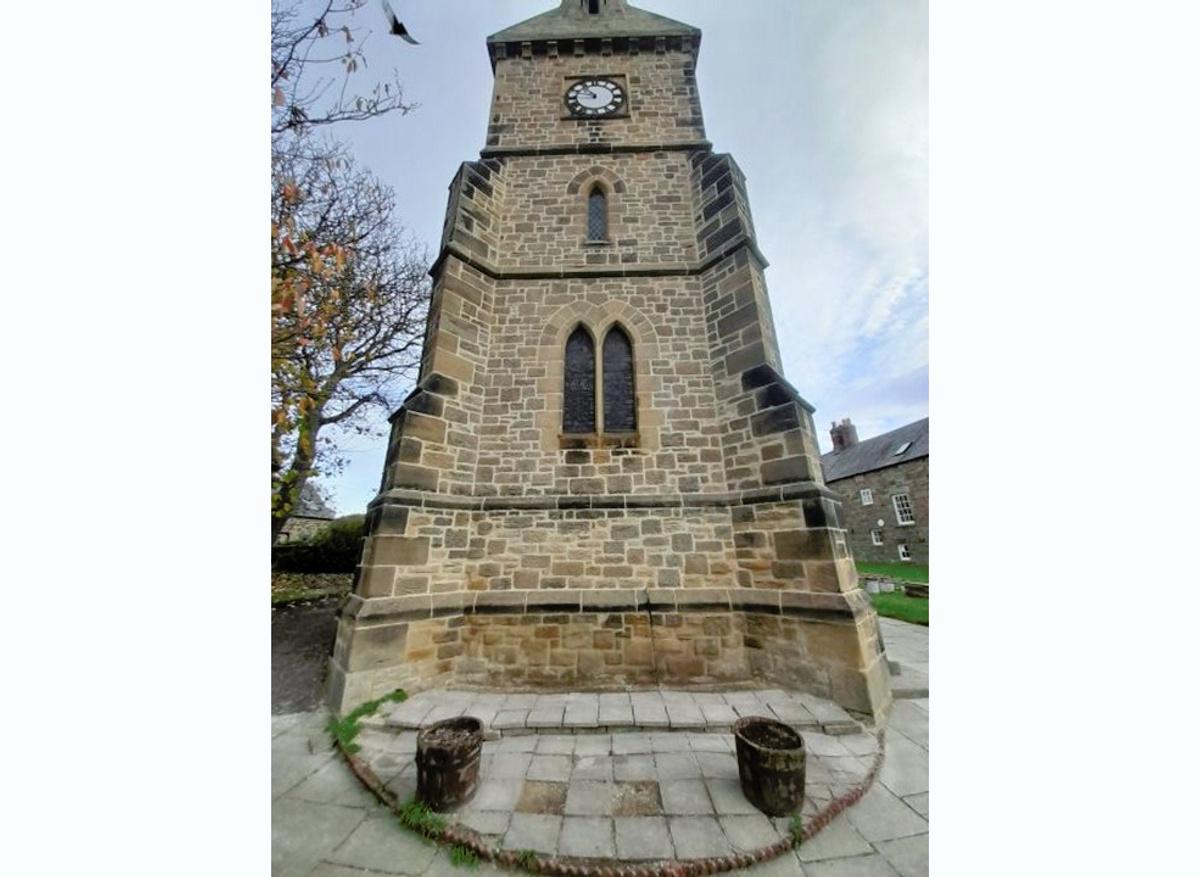
Church of St. John The Baptist Alnmouth.
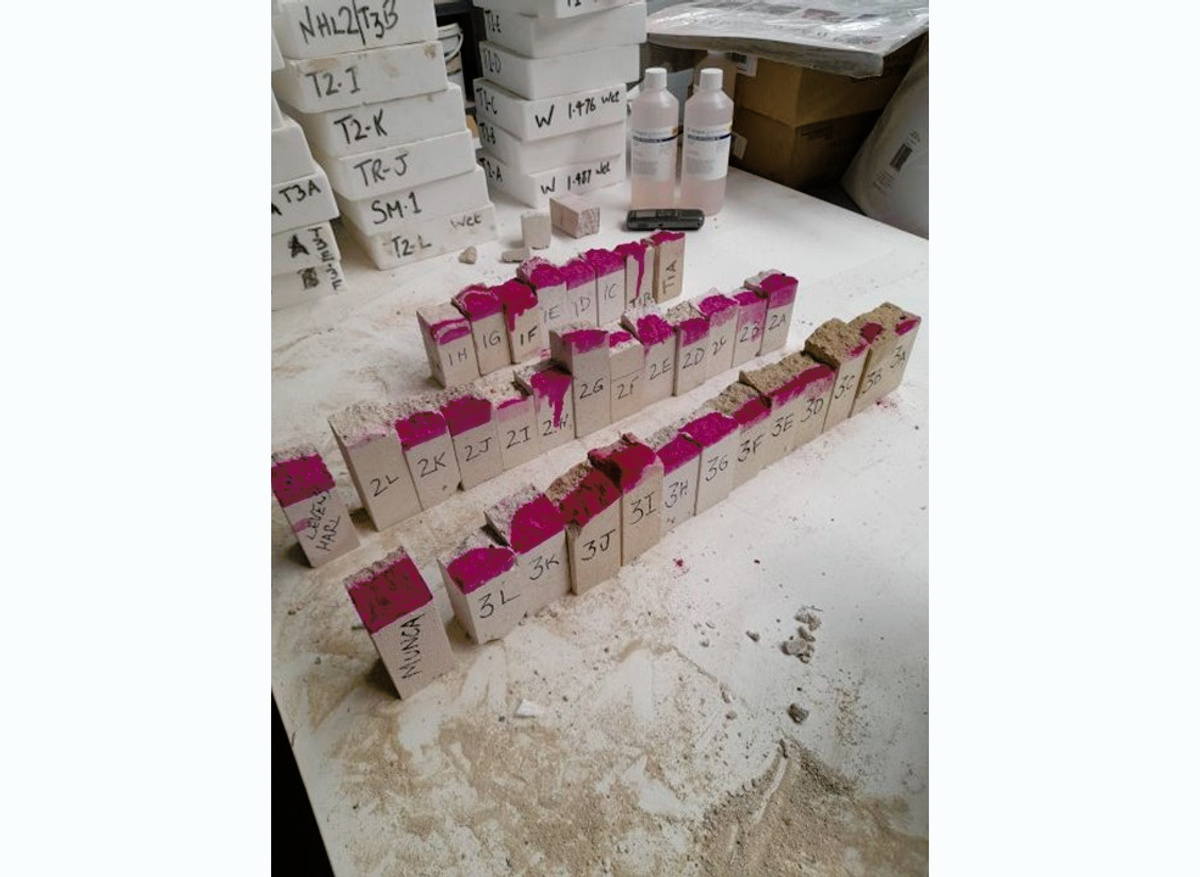
Mortar Trail Work
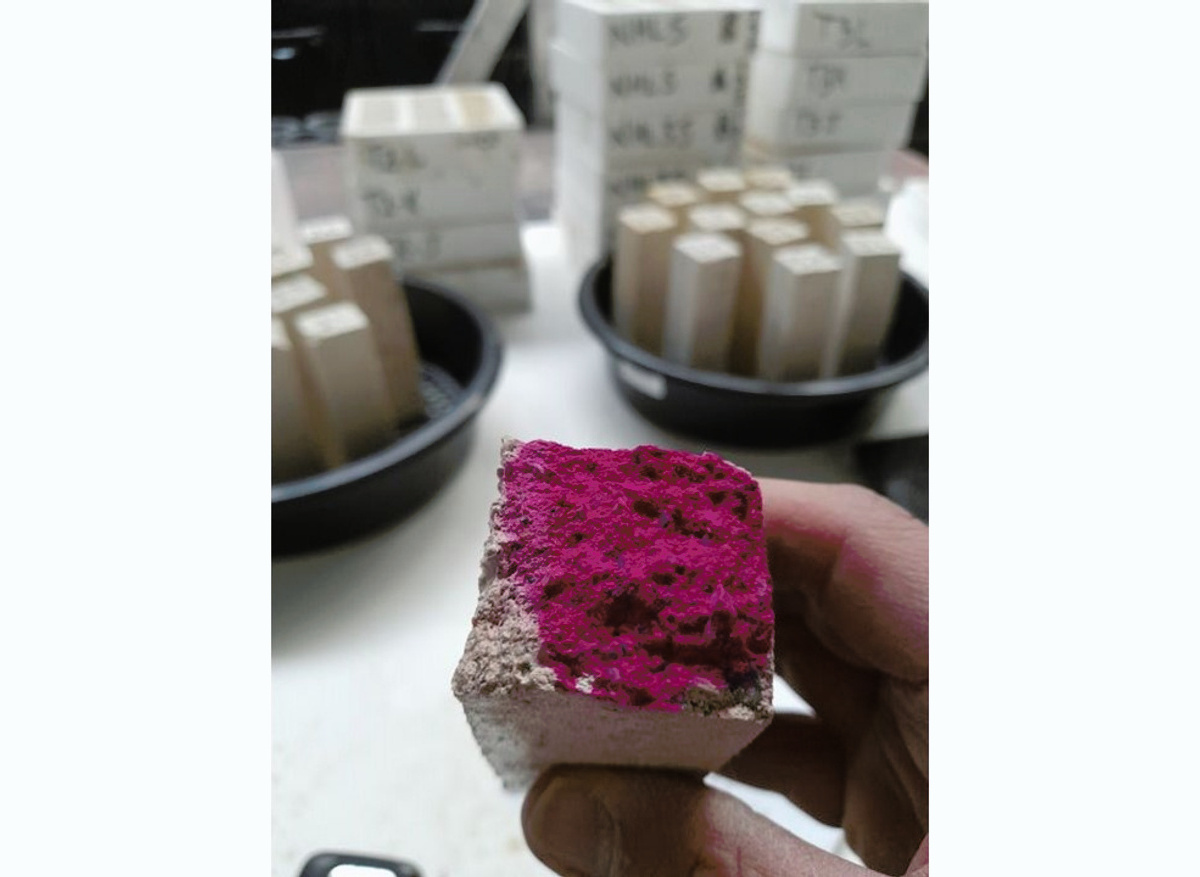
Mortar Trail Work
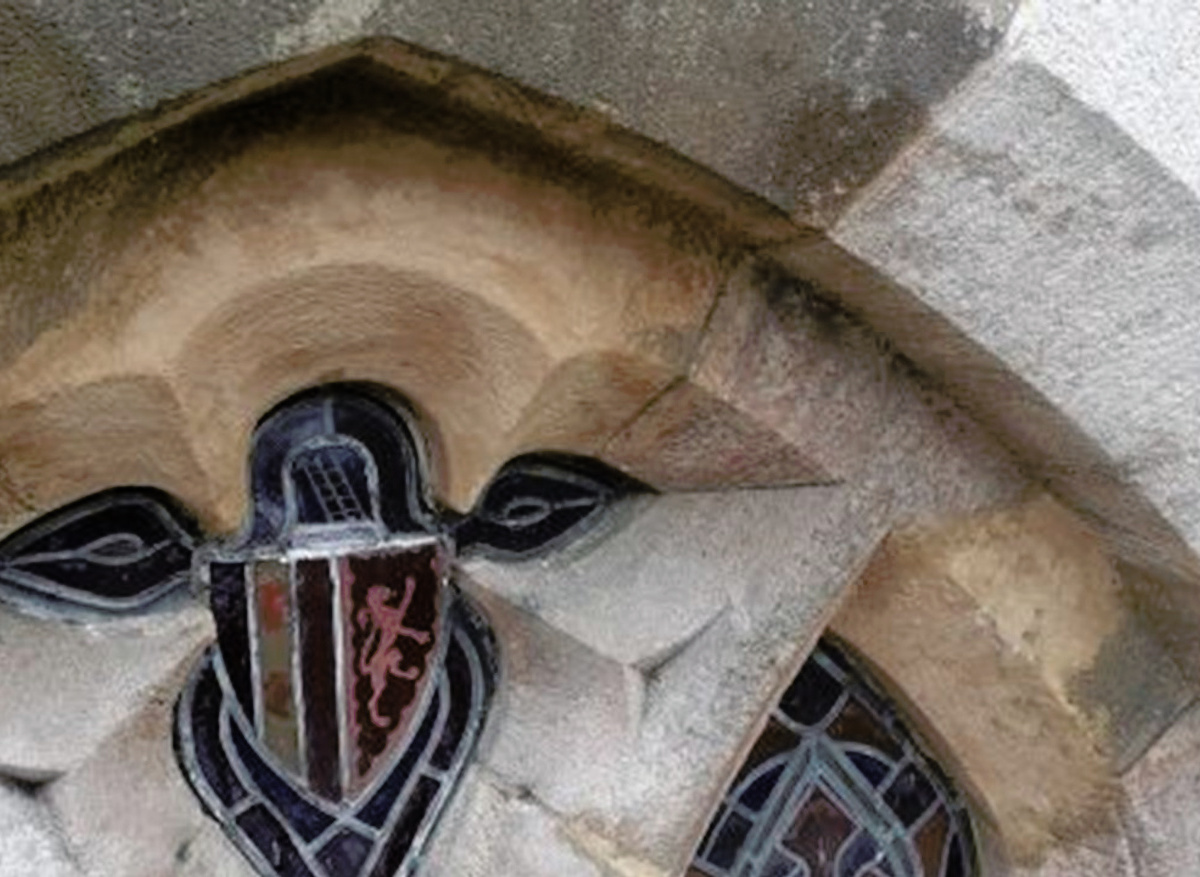
Church of the Holy Trinity, Embleton, Northumberland.
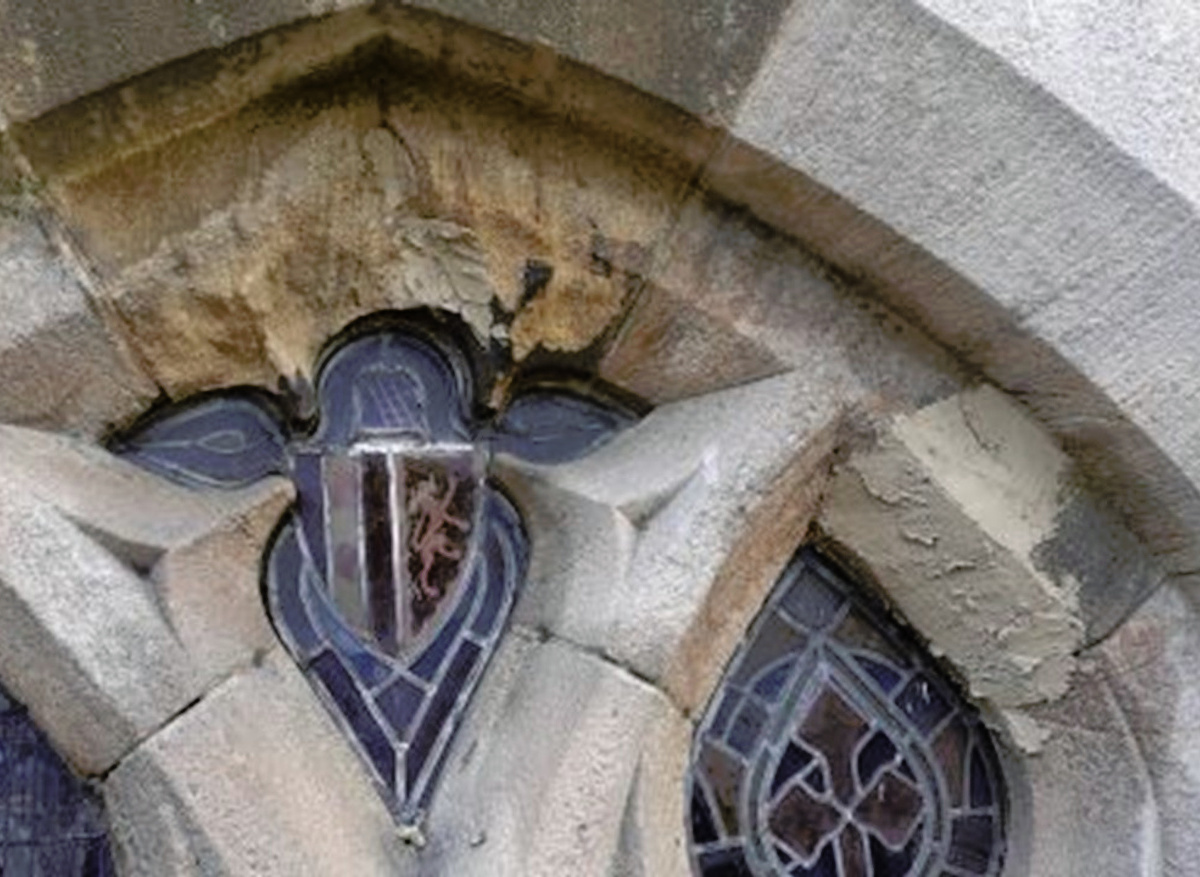
Church of the Holy Trinity, Embleton, Northumberland.
Biography
Brenda Teasdale ACR
Through hard work and determination, I have helped, as part of a wider project conservation team, to successfully remove five heritage sites from Historic England’s At-Risk Register.
I have an in-depth knowledge of masonry conservation, a high degree of competence, sound judgement and a deep understanding of the principles which underpin my practice.
Most importantly, I remain committed to ensuring all historic monuments and buildings in my care are maintained using conservation principles, sound judgement and ethics which have been developed throughout my career.