
Last week, Icon staff members had the pleasure of attending a tour of the Scientific Research Laboratories at The British Museum’s World Conservation and Exhibitions Centre, facilitated by the Icon Heritage Science Group. Attendees from a wide range of backgrounds and specialisms were able to explore the spaces and ask questions throughout the visit.
The tour, led by Professor Carl Heron, Director of Scientific Research, and Conservation Scientist Anthony Simpson, introduced guests to the extensive range of analysis and research carried out by the museum’s Conservation Science team. Visits to individual laboratories highlighted the breadth of expertise within the department and the diversity of projects undertaken.
Opened in 2014, the Centre houses the Conservation and Scientific Research departments, together with a range of specialist equipment and facilities, including a library and archive of past research projects and conservation treatments. The Scientific Research team comprises 15 permanent staff, 10 early career researchers and 10 collaborative PhD students.
Zooming In
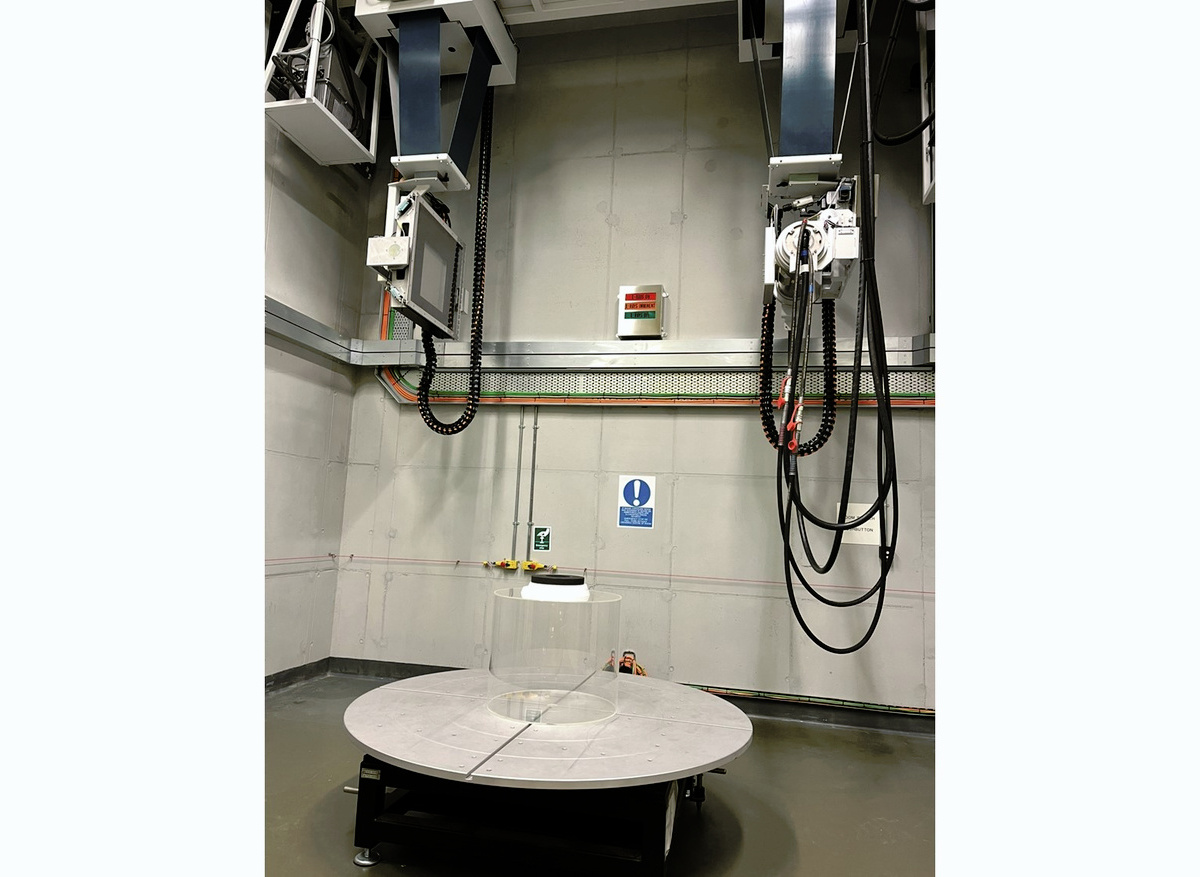
X-Ray Imaging Chamber
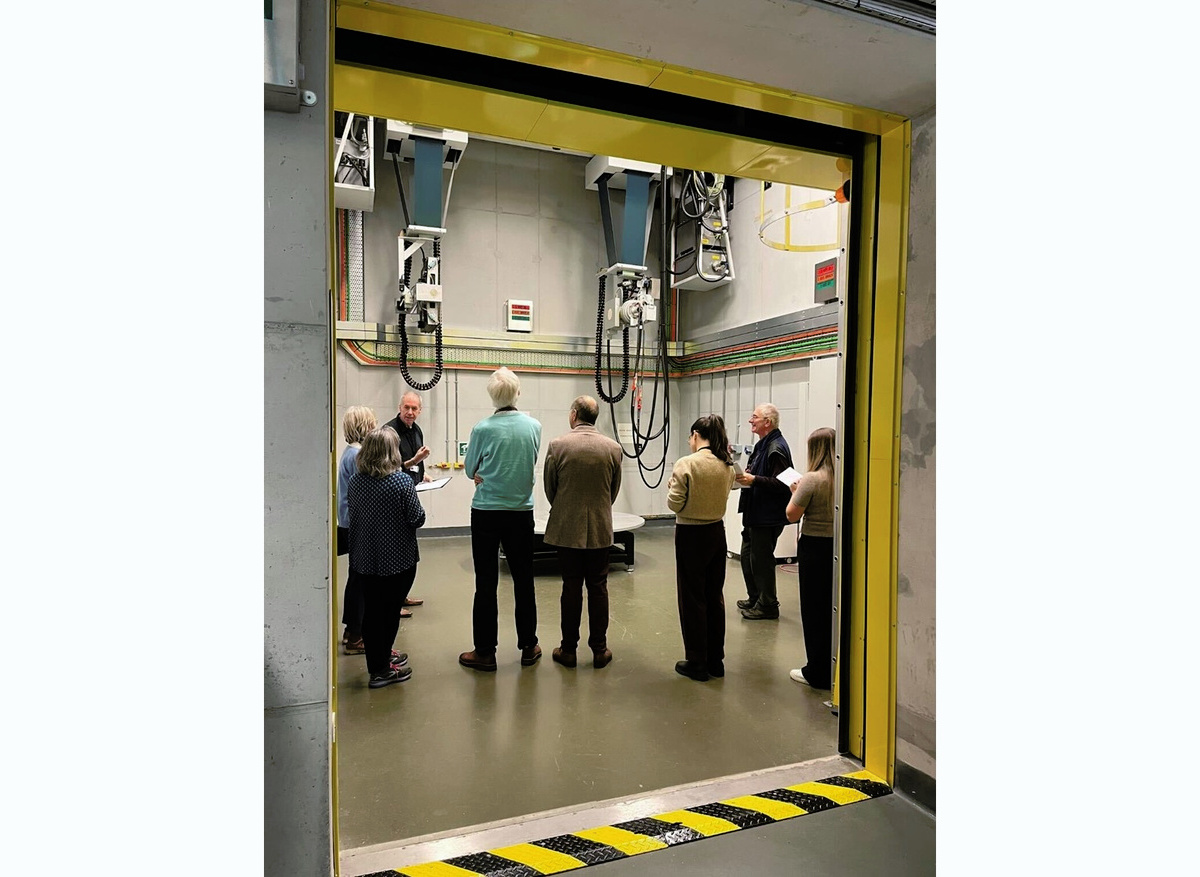
X-Ray Imaging Chamber
Our first stop was the X-Ray imaging chamber. Significantly larger than its predecessor and operating at 450,000 volts, the facility has enabled imaging of monumental sculptural works, including the Discobolus in the museum’s collection. Equipped with a turntable that moves by one degree at a time, it can generate detailed CT scans of large objects. This research infrastructure is also accessible to external institutions, which can apply for RICHeS funding to have their own objects imaged.
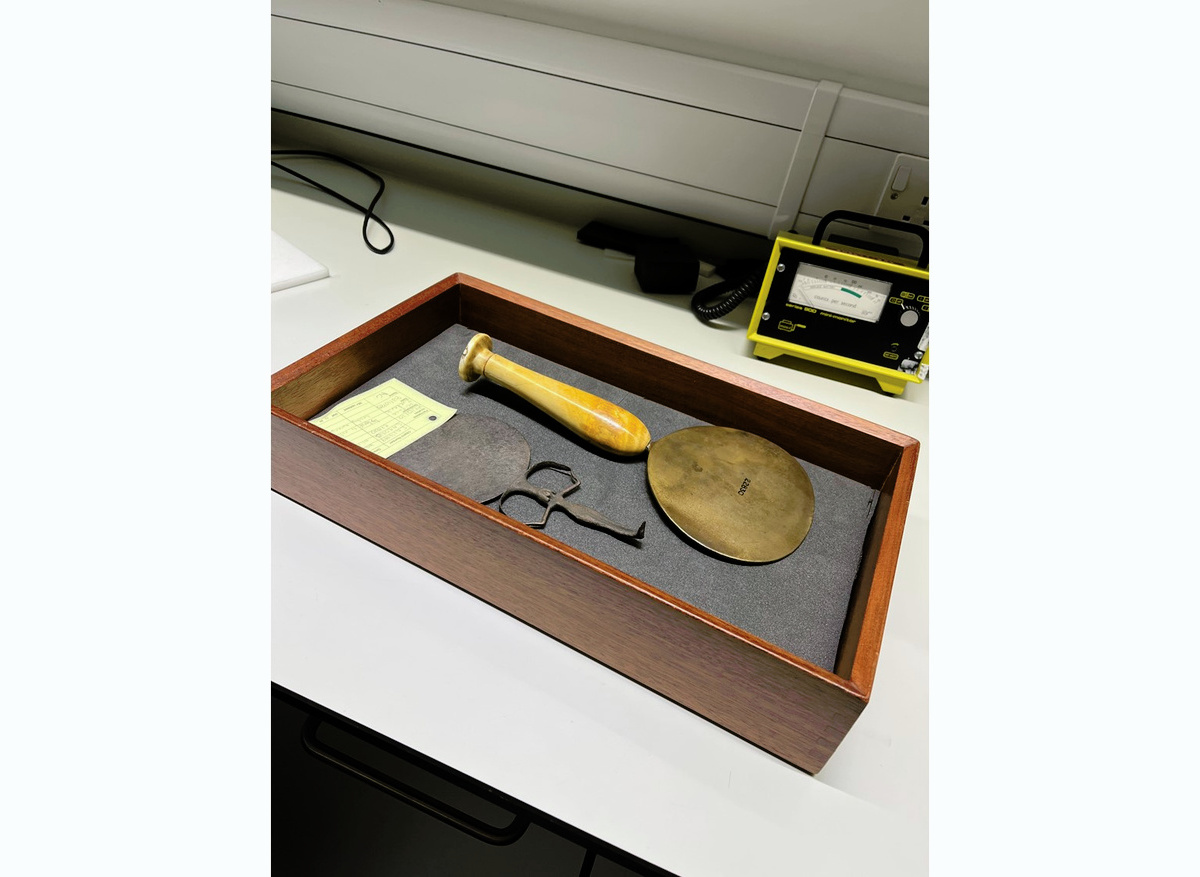
Ancient Egyptian mirrors
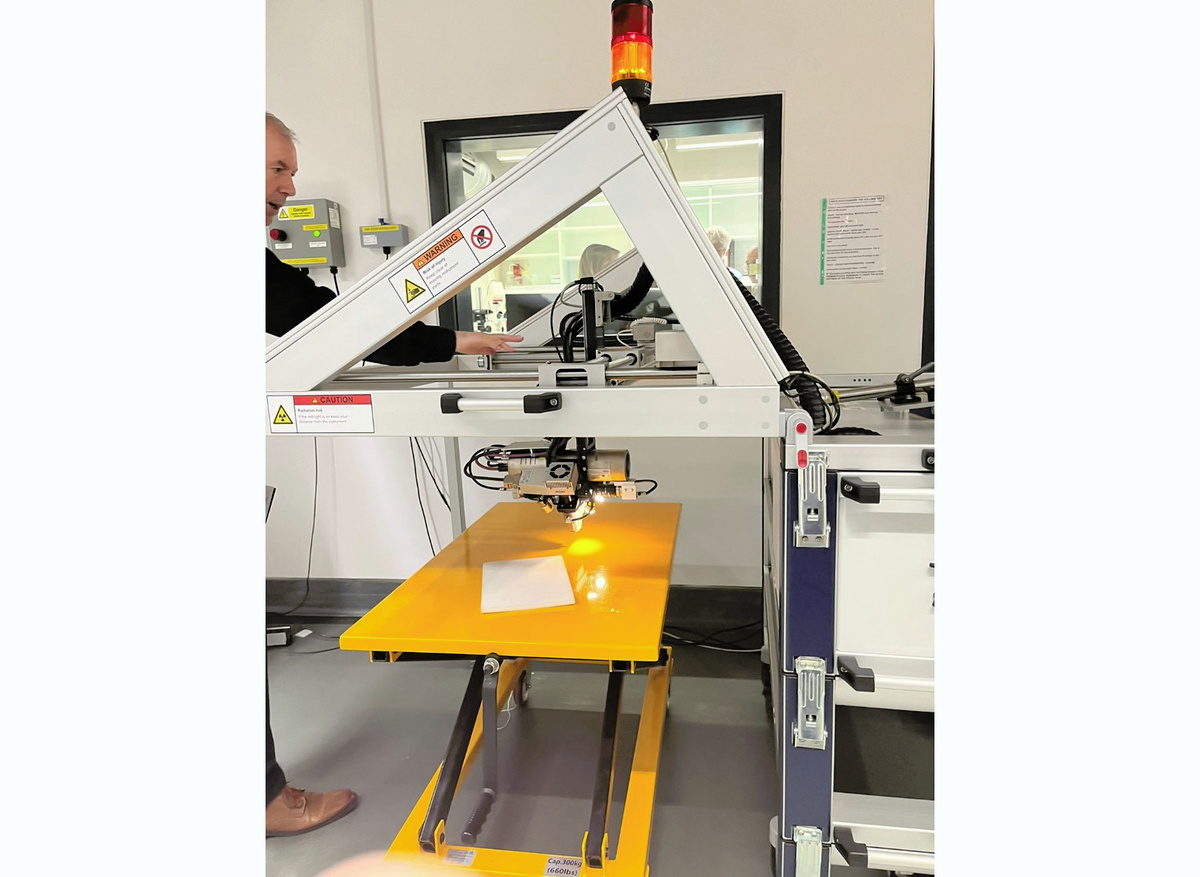
X-ray fluorescence machine
Next, we were shown the scanning X-ray fluorescence instrument, used to analyse surface elemental composition. During our visit, it was being used to study Ancient Egyptian mirrors. This technology also plays an important role as a triage tool, helping to assess condition when objects arrive at the museum for exhibitions.
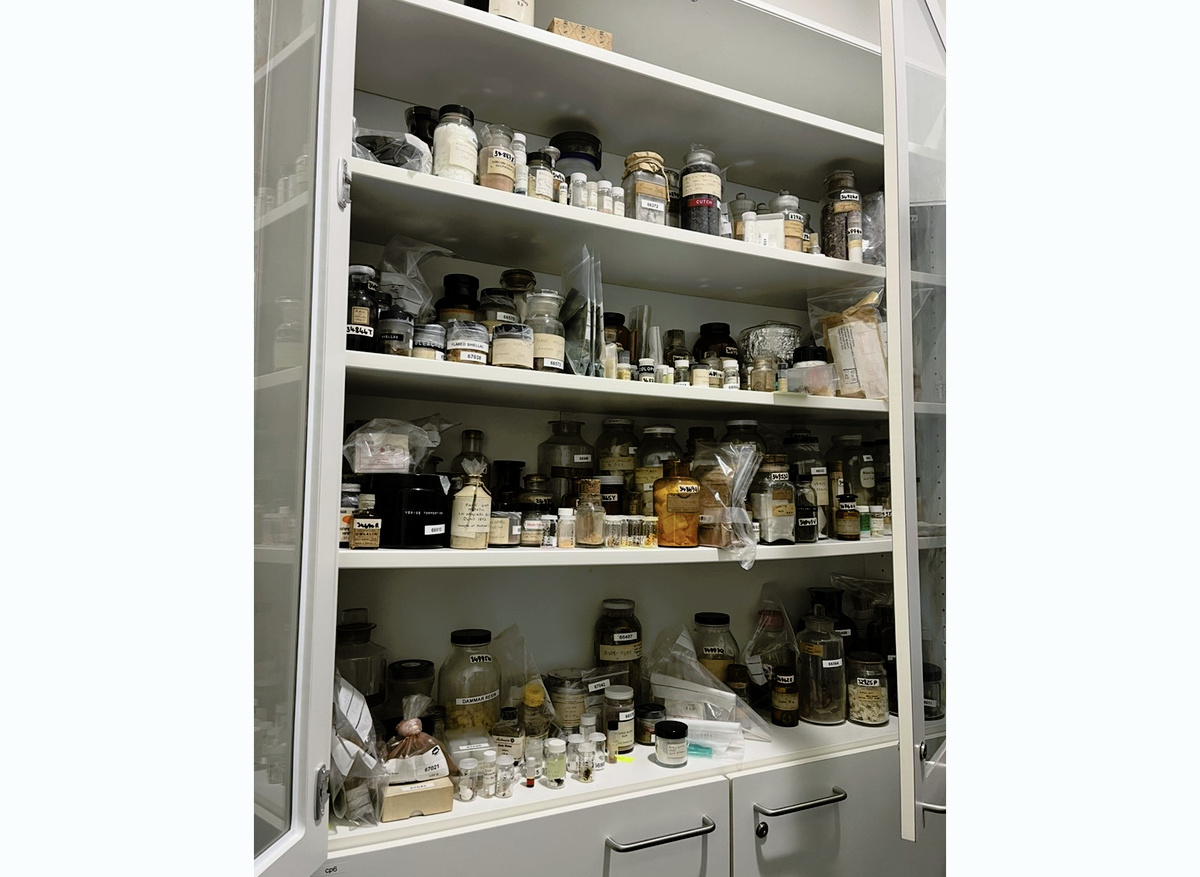
Organic analysis lab
In the organic analysis lab, one of the museum’s areas of specialism, we saw equipment used to examine objects and textiles based on their chemical properties. Techniques such as dye analysis, spectrometry, liquid chromatography, and GCMS enable researchers to understand materials at a molecular level. Organic analysis also supports research into human remains, contributing to ancient DNA studies into historic migration patterns.
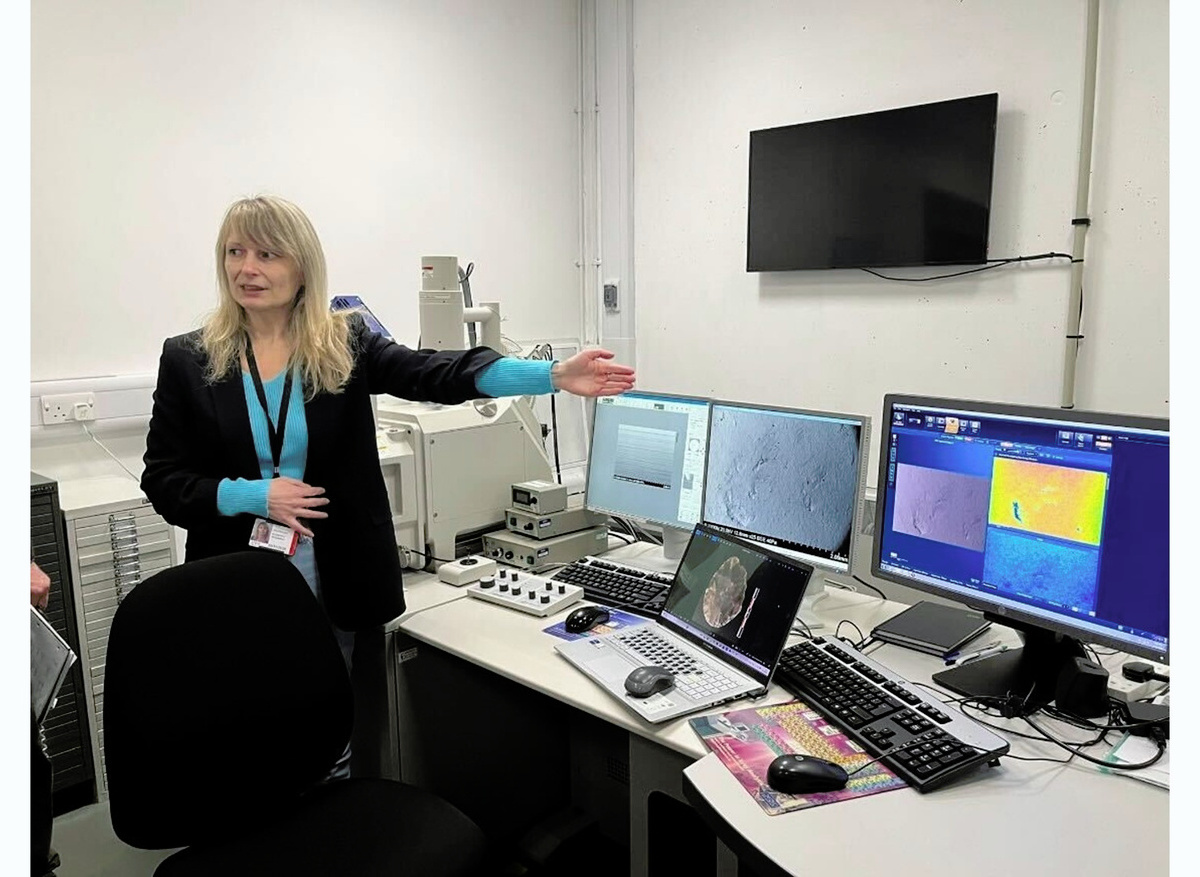
Olga Zagorodnia, Research Fellow, explaining the scanning electron microscopy (SEM) facilities.
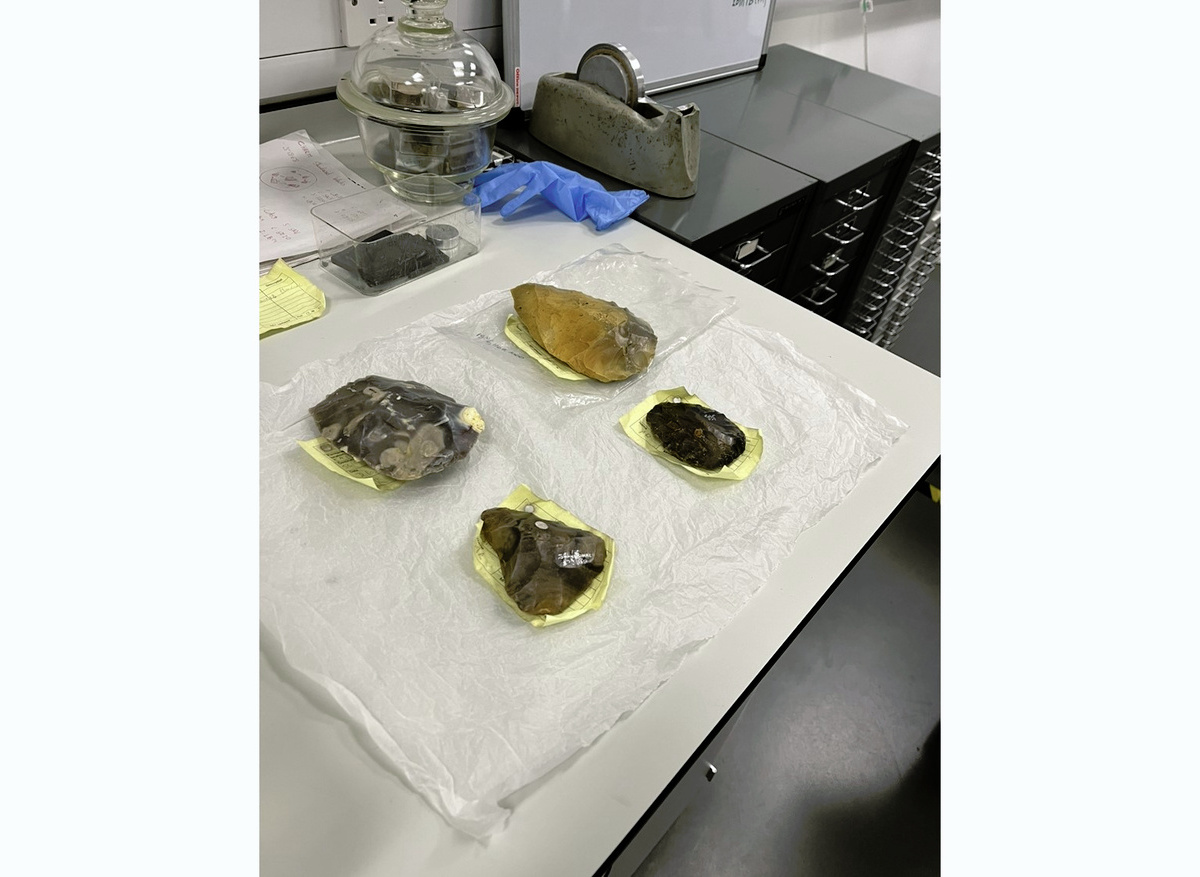
Palaeolithic hand axes
We then explored the scanning electron microscopy (SEM) facilities. SEM is crucial for studying surface wear and usage and is currently being applied to palaeolithic hand axes. This technique has become central to research into early societies, and many archaeological finds from across the British Isles are examined here.
Many thanks go to Dr Morana Novak from the Icon Heritage Science Group for organising the tour, and to Professor Carl Heron, Anthony Simpson, and their team at the British Museum for offering such a fascinating insight into their day‑to‑day work.