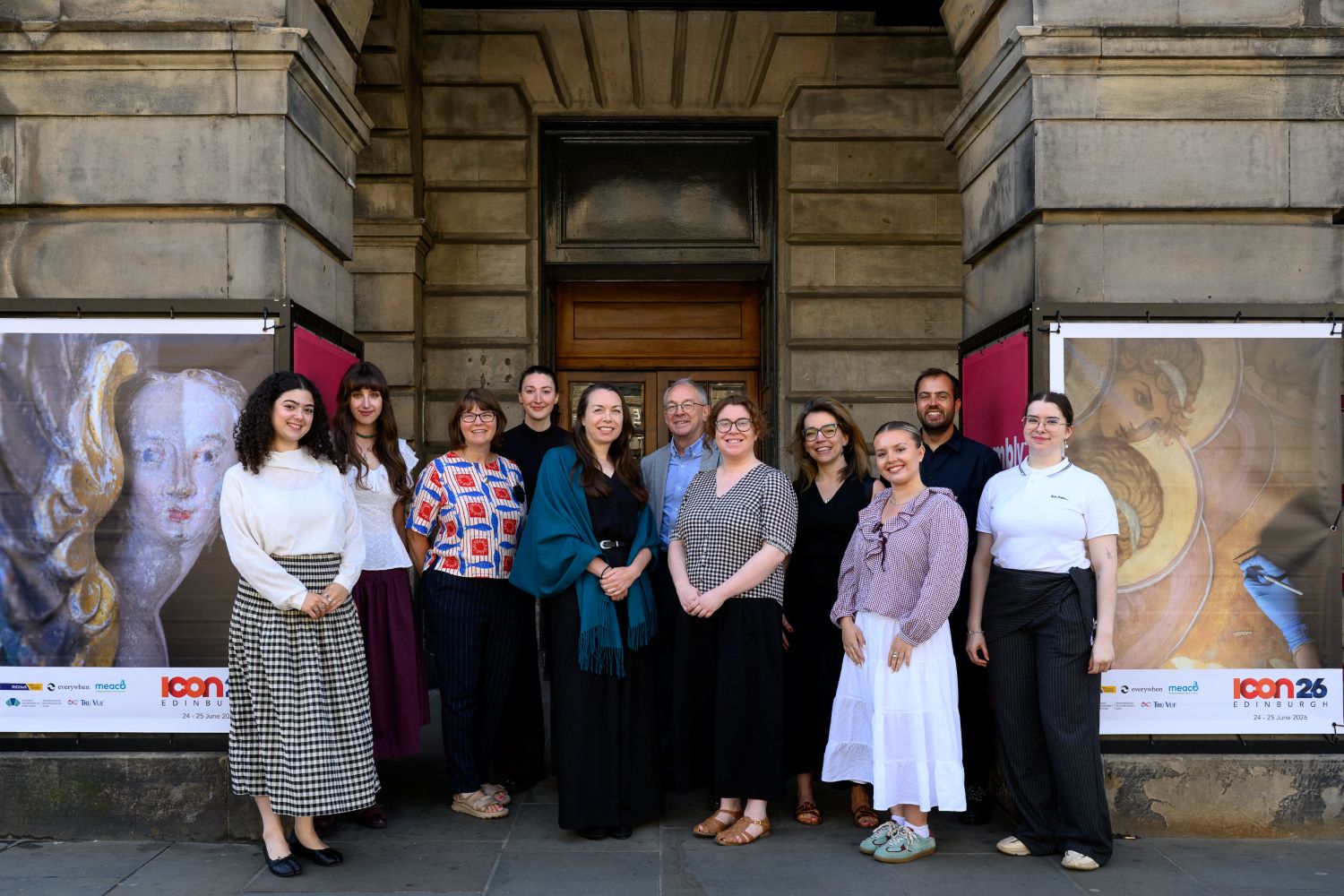
The Icon Conference 2026, held on 24–25 June at the historic Assembly Rooms in Edinburgh, brought together conservators, heritage professionals, researchers, and practitioners from across the sector for two inspiring days of connection, collaboration, and shared learning.
Under the theme Practice, People, and Purpose, the conference explored the impact of the conservation profession - on its own practices, the wider heritage sector, and society as a whole.
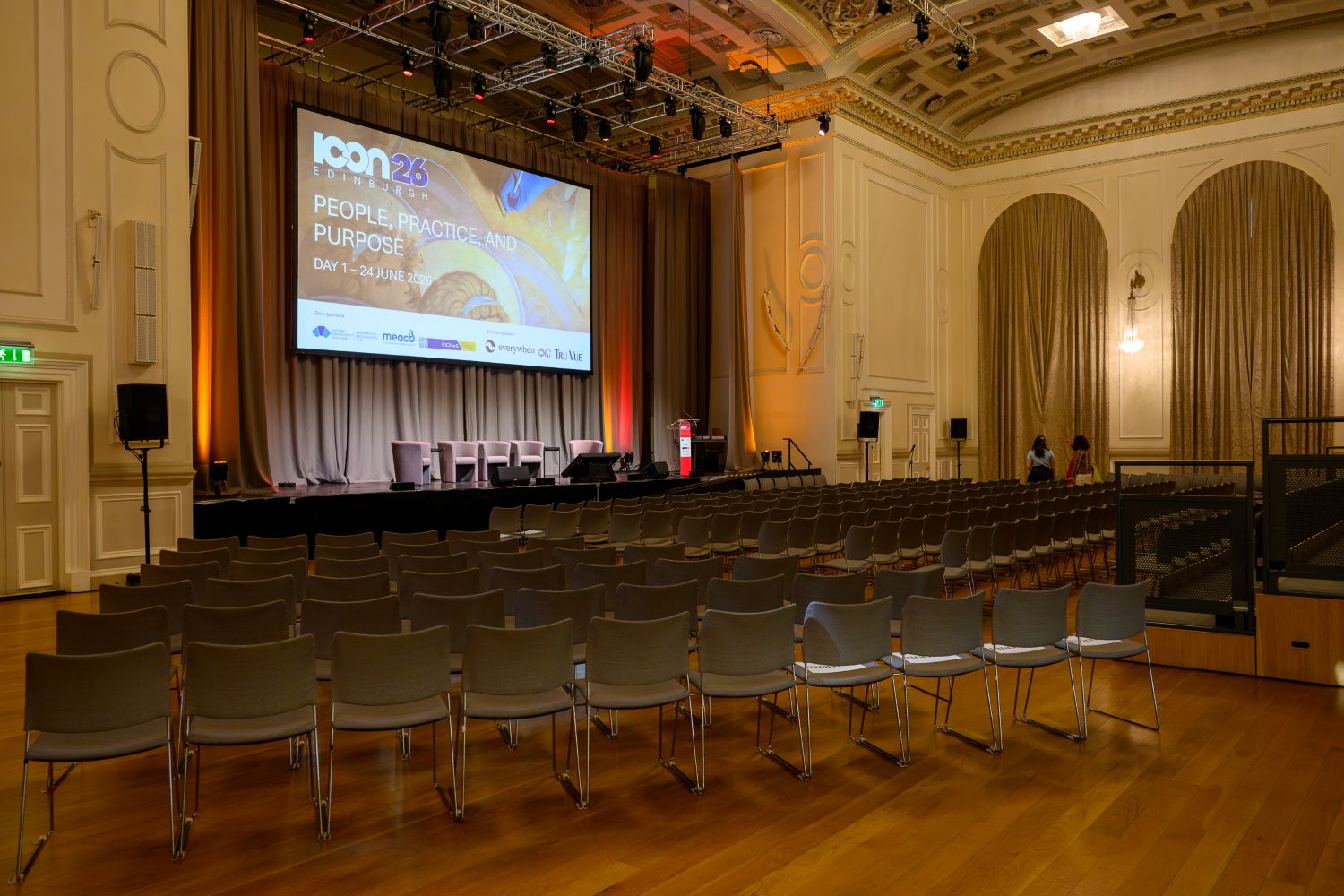
Bringing the Sector Together
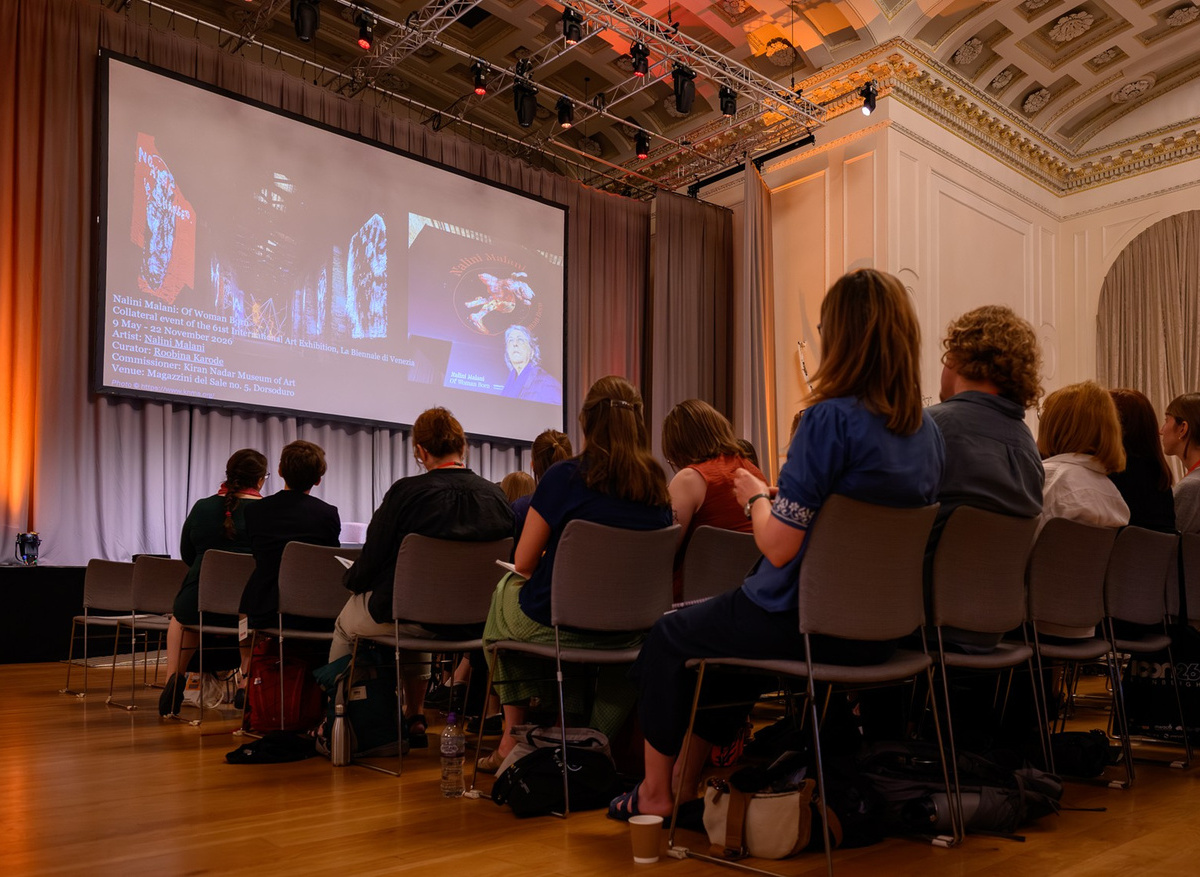
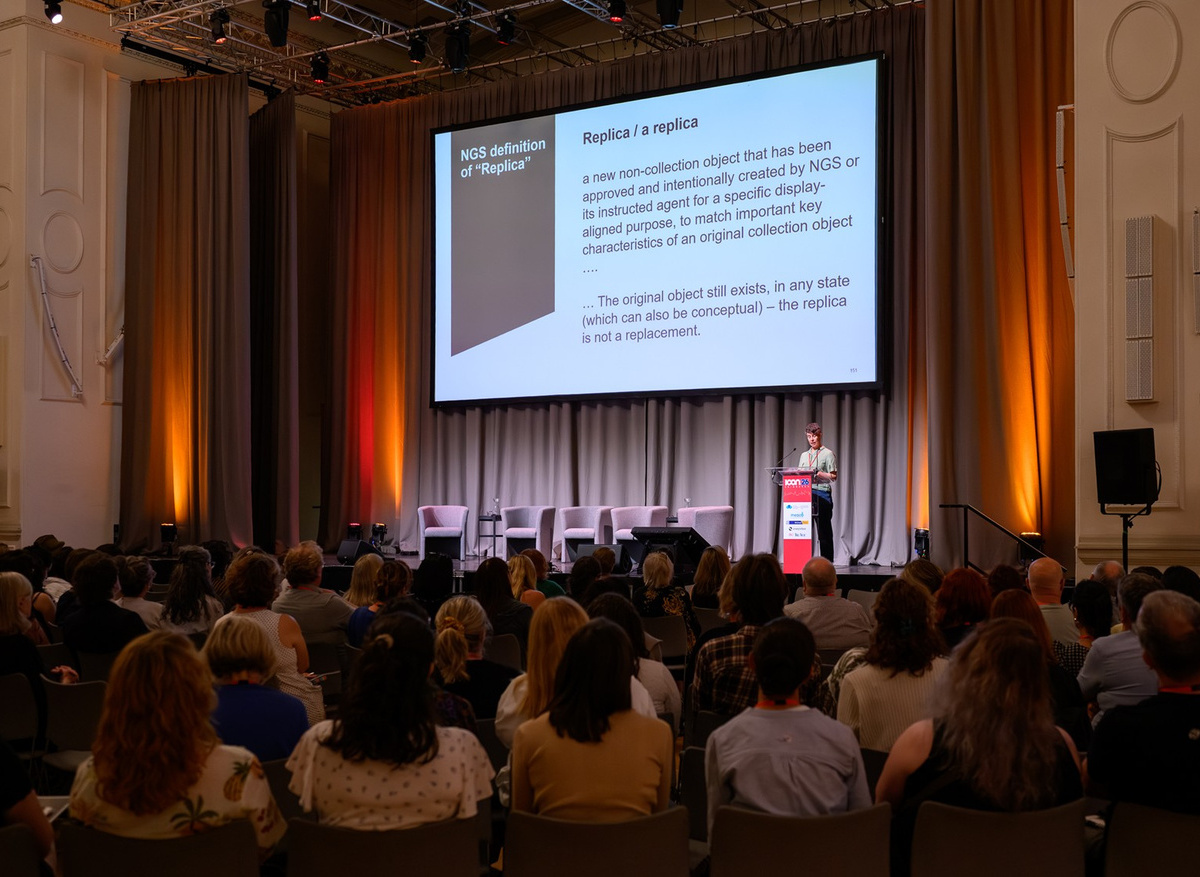
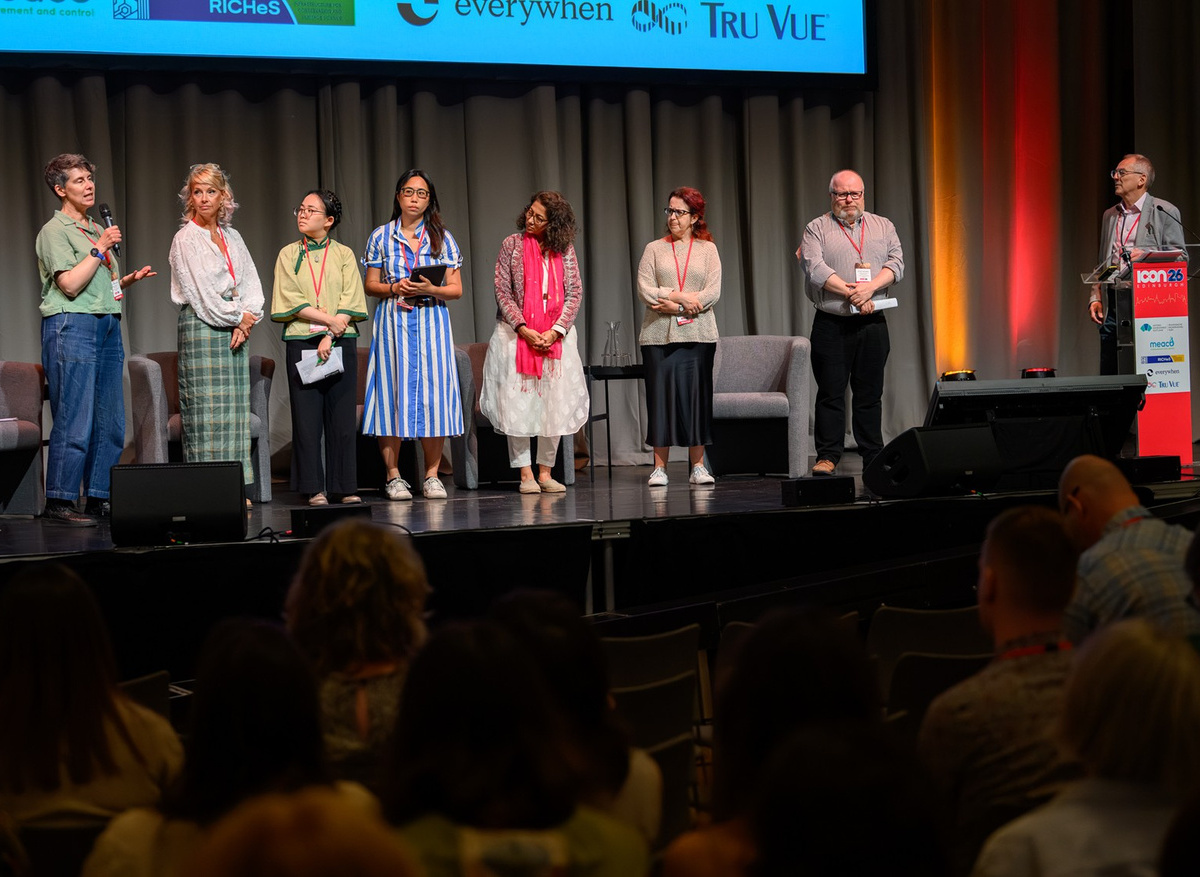
Across a wide-ranging programme of presentations, panels, and workshops, there was a strong focus on innovation in practice, the importance of interdisciplinary collaboration, and the shared responsibility of safeguarding cultural heritage for future generations. From advances in heritage science and technical conservation methods to conversations around skills development, sustainability, and professional resilience, the event highlighted both the challenges and opportunities facing the sector today.
Credit. Ian Georgeson
Credit. Ian Georgeson
Credit. Ian Georgeson
A key strength of the conference was the breadth of expertise represented, as well as the sense of openness and exchange that characterised both formal sessions and informal networking. The discussions consistently reinforced the value of collaboration between conservators, scientists, institutions, and communities in delivering more inclusive and impactful outcomes.
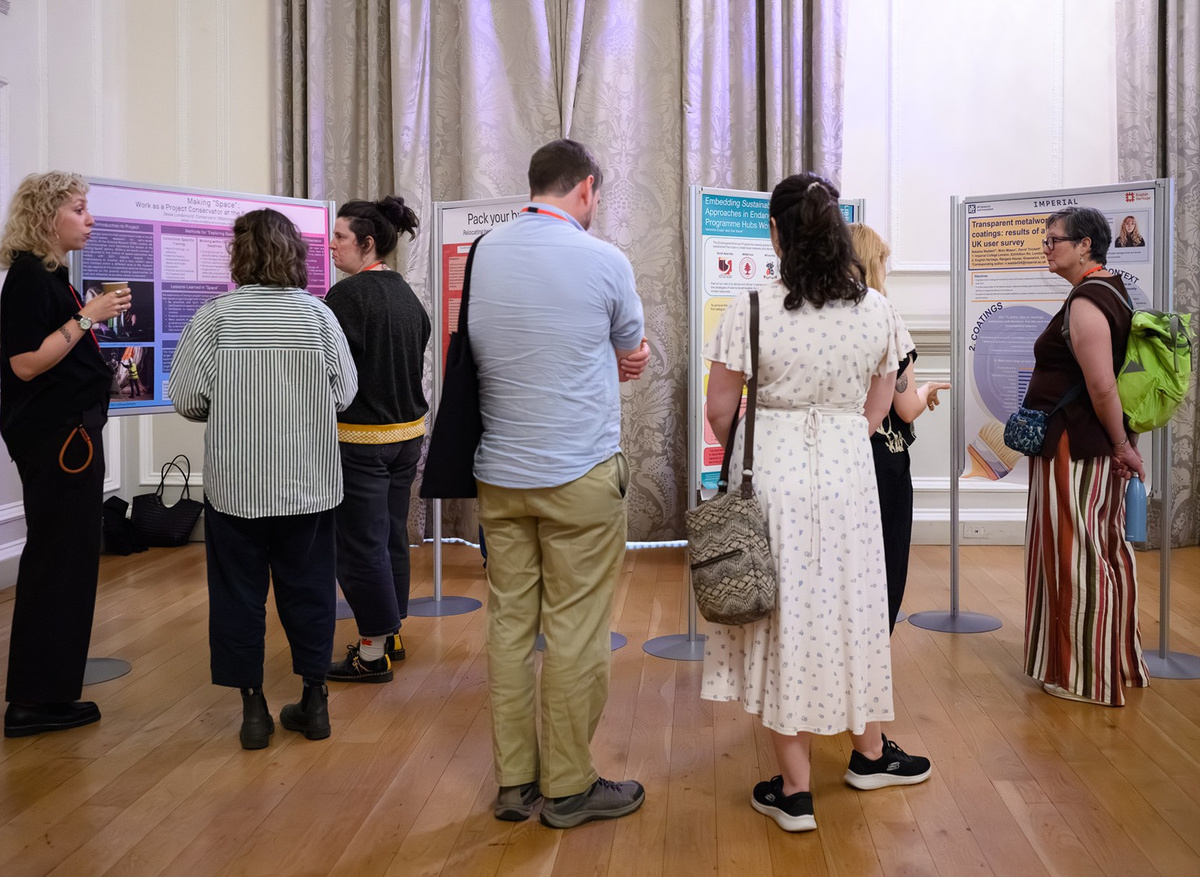
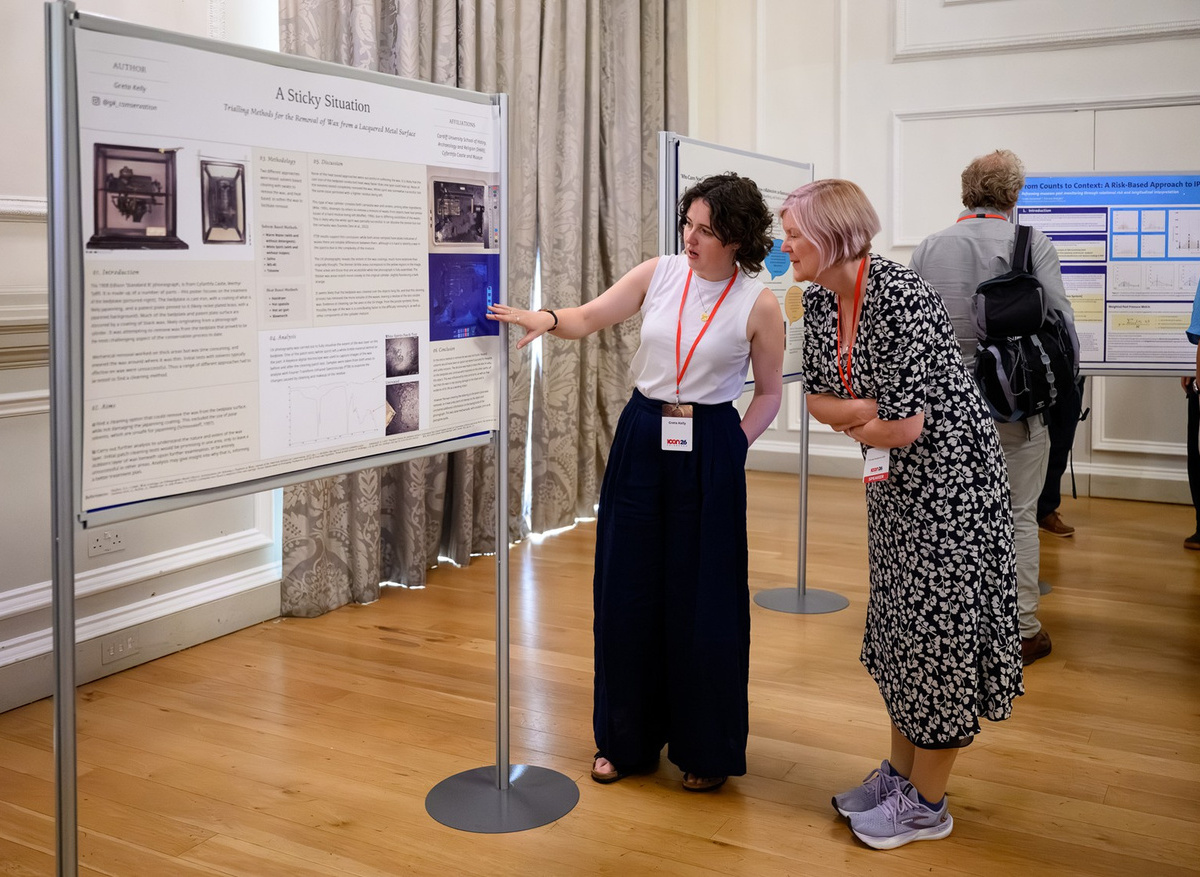
For the first time at the conference, poster sessions were introduced, showcasing a range of emerging research and practice from across the conservation community, with a particular focus on work from emerging professionals. Presenters shared early-stage findings and project work, offering delegates the opportunity to engage in informal discussion and exchange ideas directly with those involved.
Credit. Ian Georgeson
Credit. Ian Georgeson
The Evening Reception: What Makes a Legacy?
Following informal drinks and networking, delegates were welcomed to a keynote address by Professor Alison Harley of the Bernat Klein Foundation, entitled “Bernat Klein: What makes a legacy?”
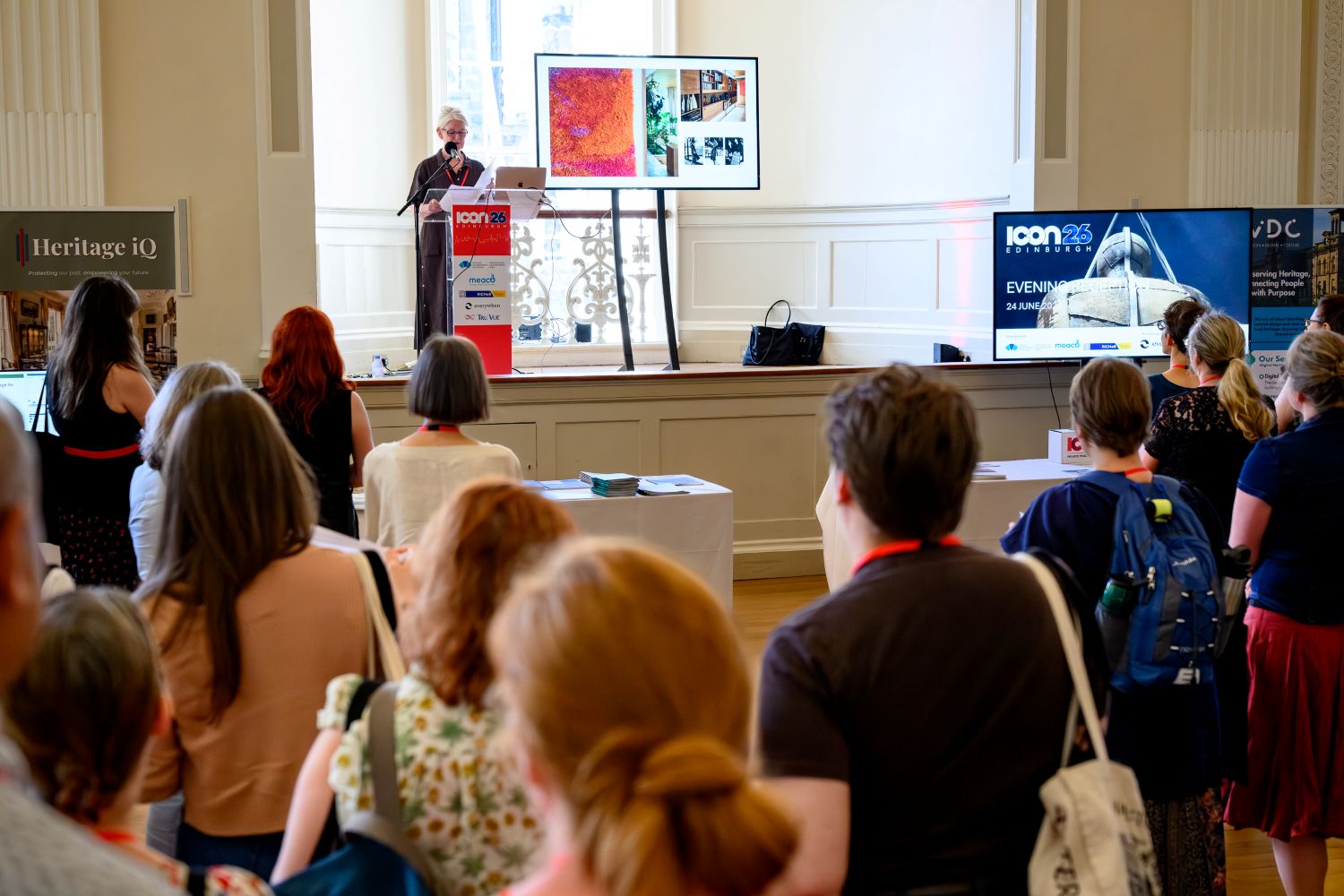
Professor Harley reflected on Bernat Klein’s creative legacy and the continuing relevance of his work, exploring how his archive and vision continue to inspire new generations. She also highlighted the ongoing partnership between the Bernat Klein Foundation, the National Trust for Scotland, and the Scottish Historic Buildings Trust in the restoration of the Bernat Klein Studio.
The keynote encouraged reflection on stewardship, collaboration, and long-term thinking in heritage conservation, closely echoing the wider themes of the conference.
Supporting Innovation: Conference Zones
Icon is also proud to be supported by the sponsors and exhibitors who make the conference possible. Their contributions played a vital role in shaping the event and supporting the wider conservation community.
The Conference Zones showcased innovation and expertise across key areas of practice:
Technical Zone: Sponsored by Meaco
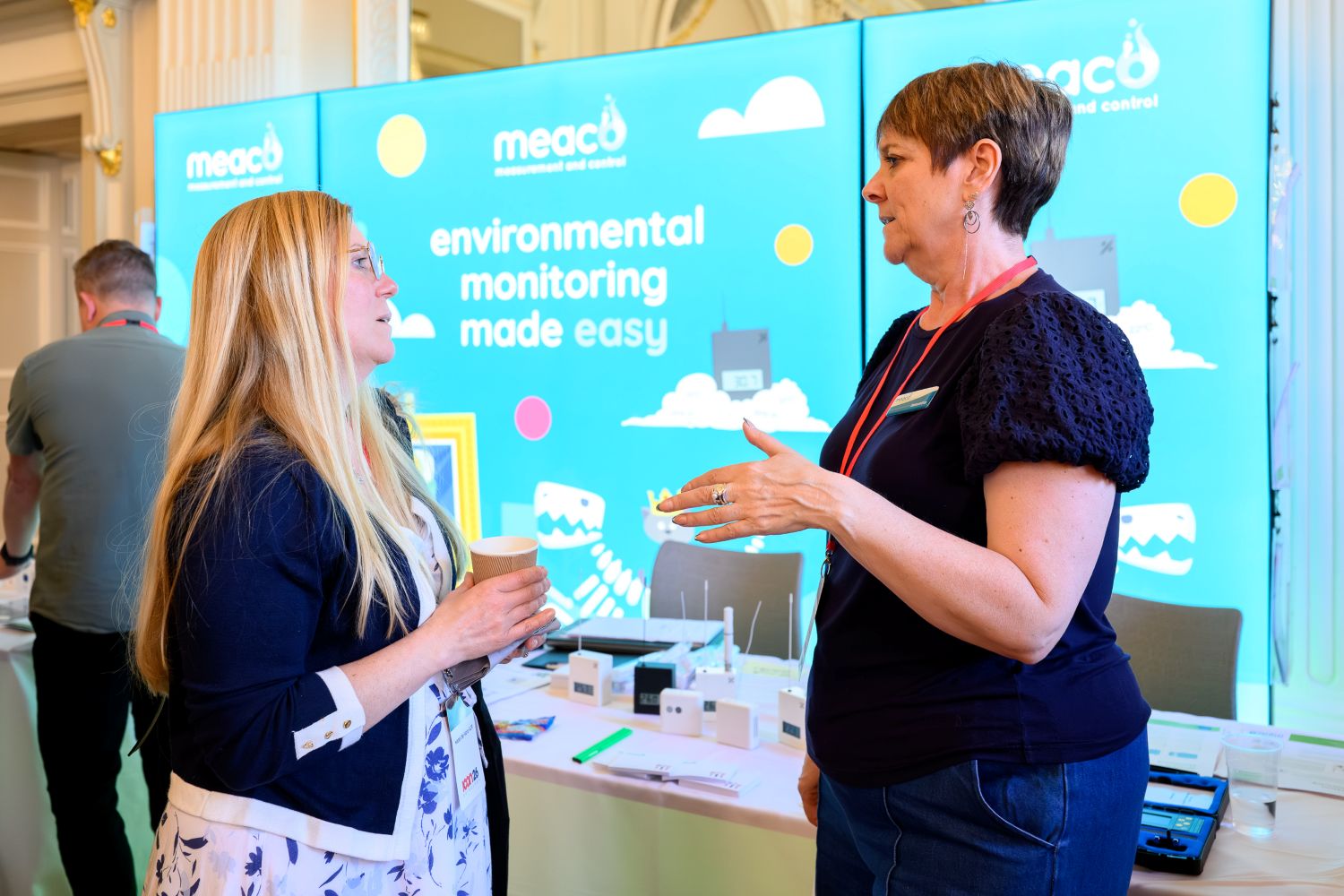
The Technical Zone highlighted specialist environmental monitoring and control solutions, including systems for measuring temperature, humidity, and light levels. With over 25 years’ experience in collections care, Meaco continues to support the sector with practical tools that help ensure stable and sustainable collection environments.
Skills Zone: Sponsored by Historic Environment Scotland (HES)
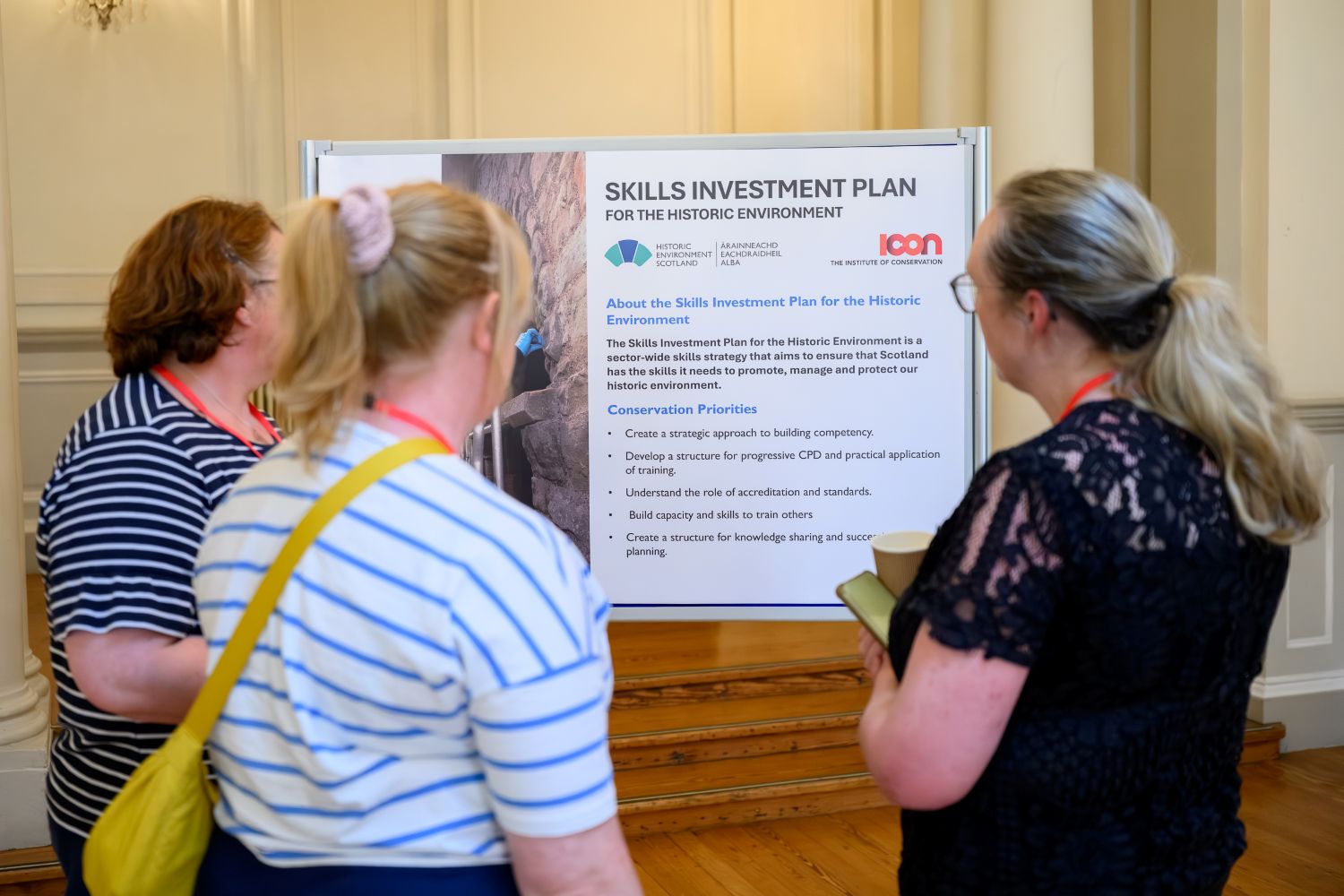
The Skills Zone reflected the organisation’s commitment to safeguarding and promoting Scotland’s historic environment. Through its leadership of Our Past, Our Future, HES continues to champion skills development and investment in the heritage workforce, aligning closely with Icon’s mission to support professional growth across the sector.
Heritage Science Zone: Sponsored by RICHeS
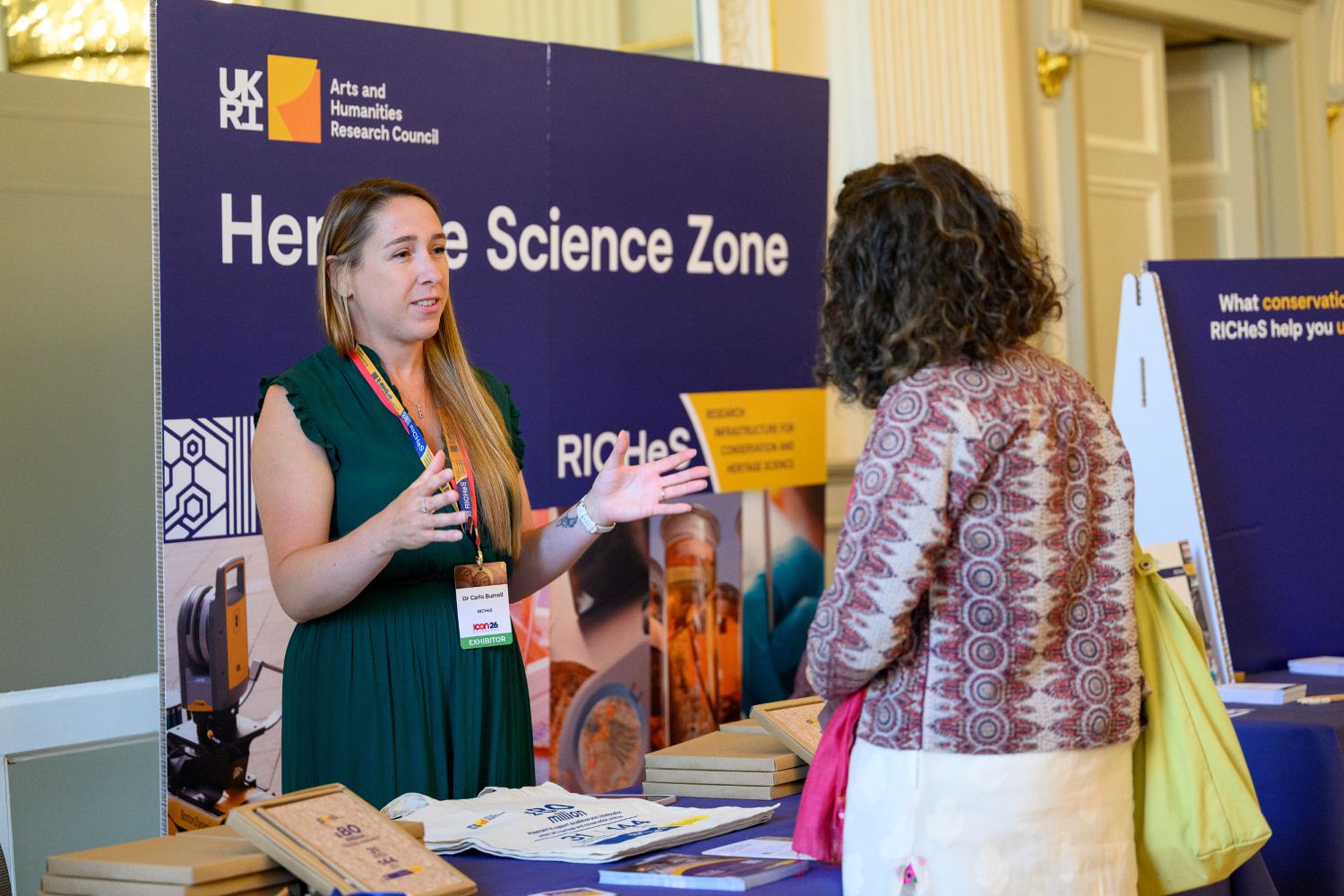
The Heritage Science Zone showcased the UK’s Research Infrastructure for Conservation and Heritage Science. This major £80 million investment by the Arts and Humanities Research Council (AHRC), part of UK Research and Innovation, is helping to strengthen collaboration and advance research excellence across heritage science.
Premium Sponsors
We would also like to extend our thanks to the events Premium Sponsors for their invaluable support in delivering a rich and engaging programme, and for joining us throughout the conference to share their expertise with delegates.
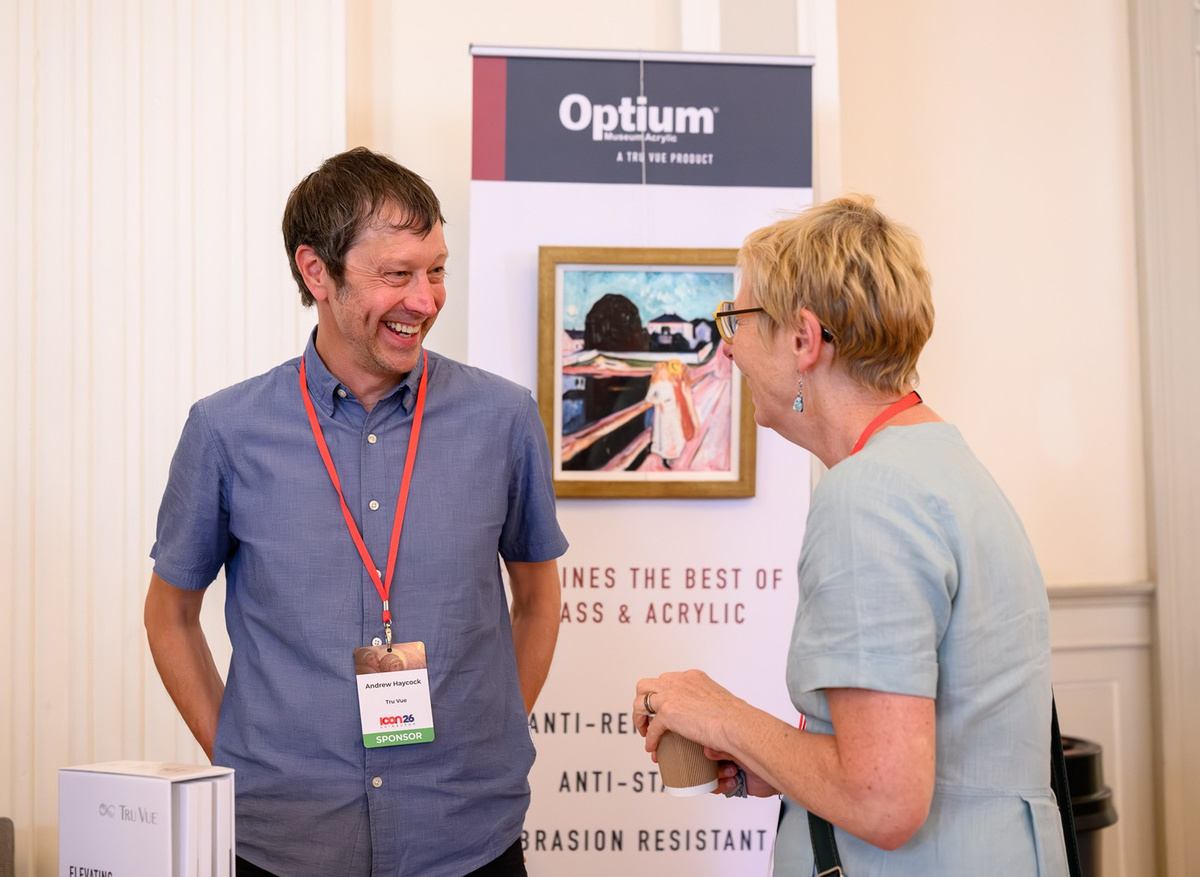
Tru Vue were present across the event, engaging with attendees and sharing insights into their specialist glazing solutions for the protection and display of cultural objects. Their work supports museums and galleries worldwide in balancing preservation with exceptional visual clarity.
Everywhen also joined us throughout the conference, speaking with delegates about their experience in providing tailored insurance solutions for the heritage sector. Their expertise helps conservators and cultural organisations work with confidence across a wide range of professional contexts.
Credit. Ian Georgeson
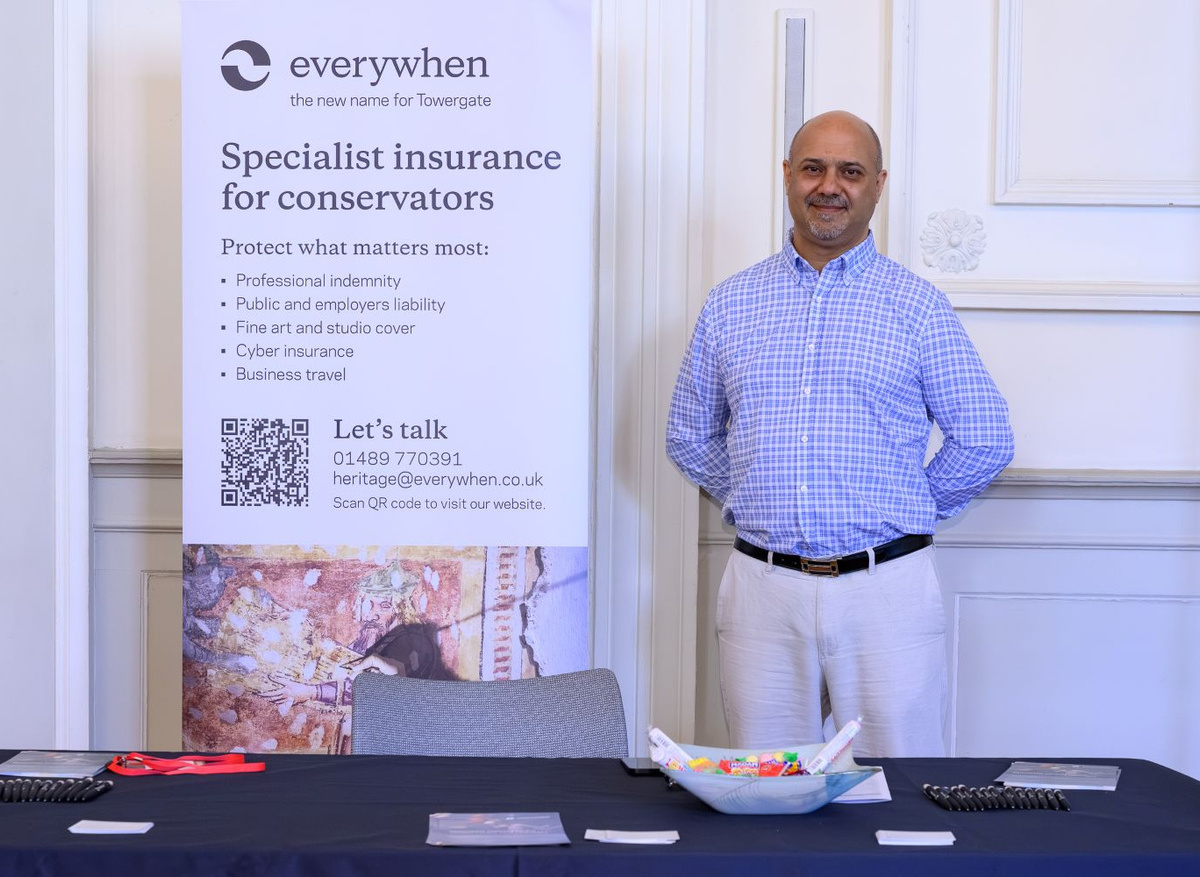
Credit. Ian Georgeson
Exhibitors and Wider Support
Finally, Icon is grateful to all Conference Exhibitors, whose presence contributed to a vibrant and engaging exhibition space. Their participation provided delegates with opportunities to explore new tools, services, and ideas, further enriching the conference experience.
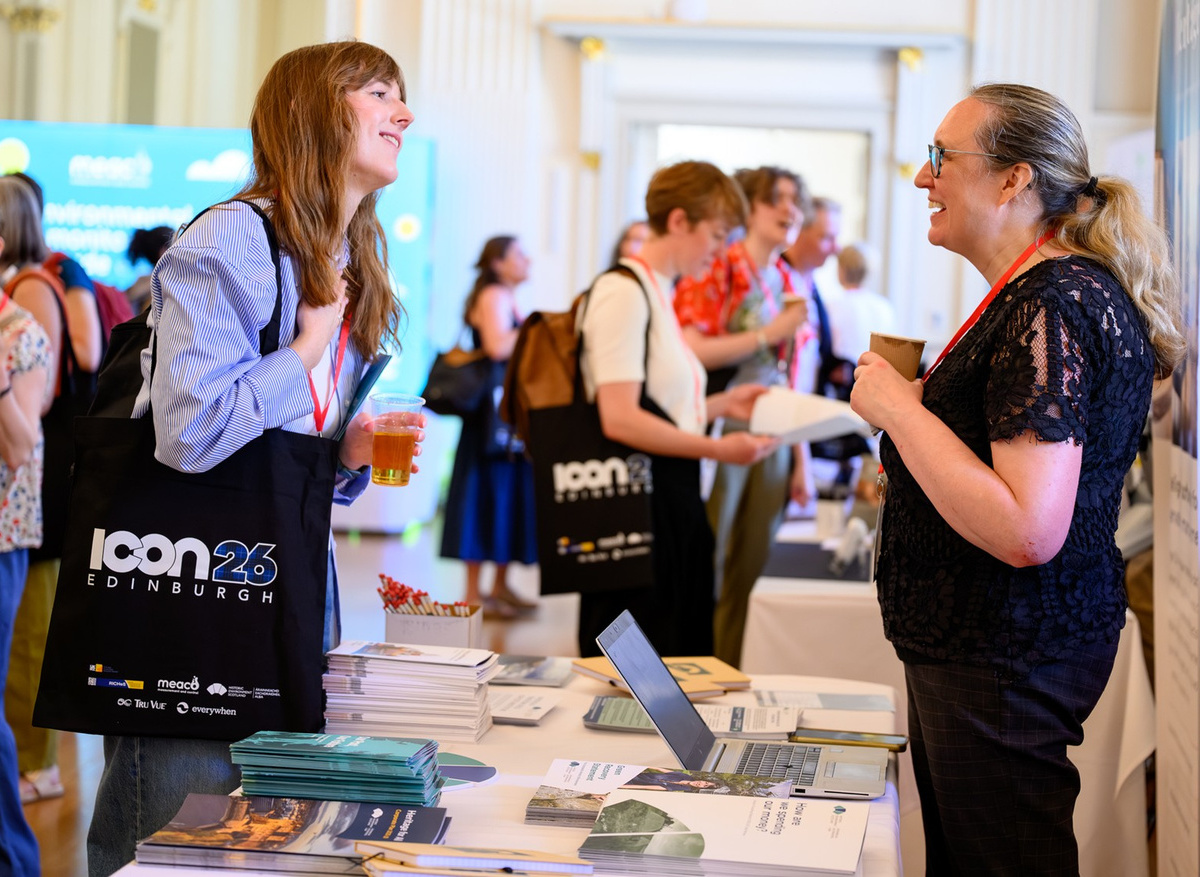
Credit. Ian Georgeson
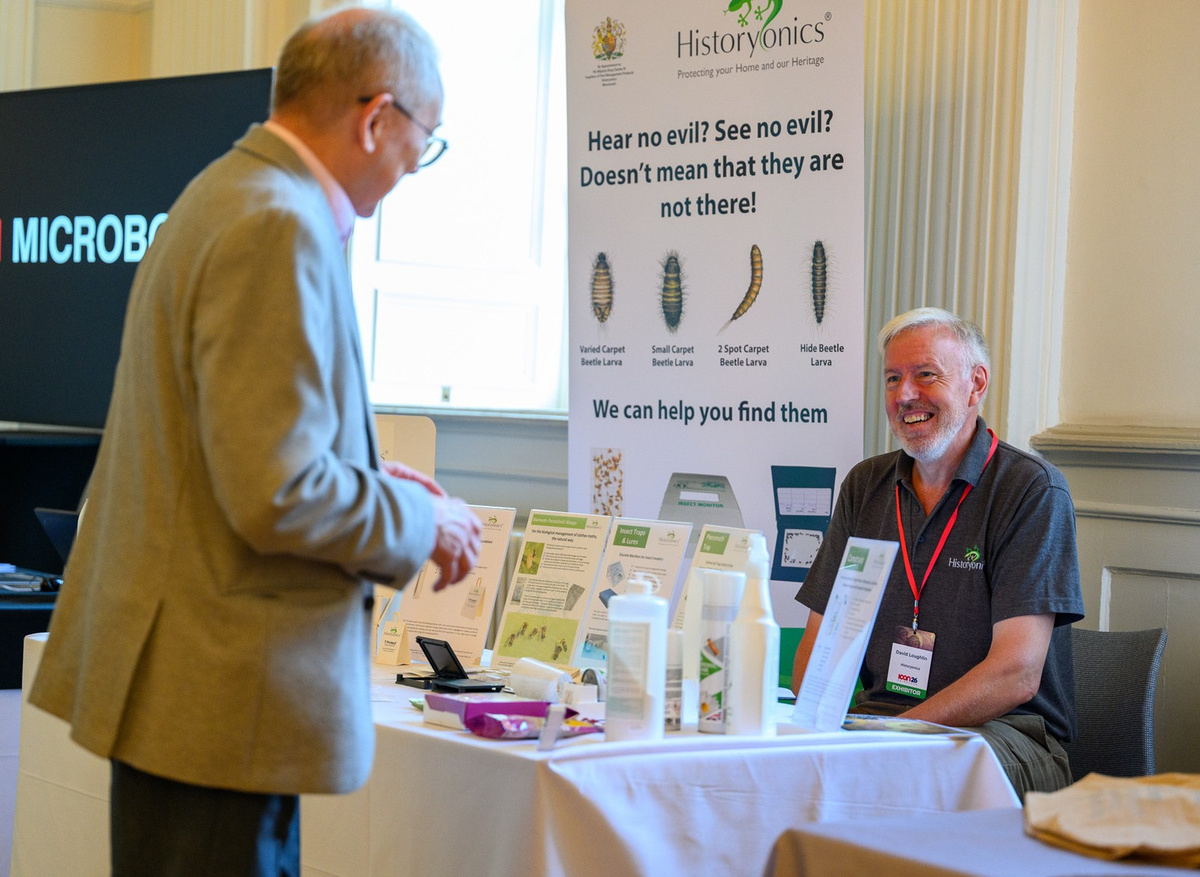
Credit. Ian Georgeson
Looking Ahead
Overall, the Icon Conference 2026 offered an inspiring space for reflection, exchange, and collaboration. The conversations and connections formed throughout the event will continue to shape practice and strengthen the conservation community in the months and years ahead.