
We live in a society obsessed with definitions and the urge to classify everything into neatly labelled boxes.
This tendency, while often helpful in providing clarity, can also hold back the nuanced and complex nature of certain fields. The realm of heritage science and conservation science is a prime example, where labels and definitions often spark debates that risk overshadowing the essence of the work itself.
In the United Kingdom, and around the world, scientists working in the heritage sector come from remarkably diverse backgrounds. Some have been trained in pure sciences such as chemistry or physics, bringing their analytical expertise to the intricate challenges posed by historical materials. Others have roots in conservation, combining a hands-on understanding of material degradation with a commitment to preserving cultural assets. This interdisciplinary richness is undoubtedly one of the field’s greatest strengths, but it also complicates attempts to define clear boundaries between heritage science, conservation science and other adjacent disciplines. Adding to the complexity, these titles are not exclusively held by those conducting traditional laboratory analyses. Data scientists and analysts working on digitization projects or environmental monitoring, as well as conservators with a focus on technical studies, often adopt these labels as well. This fluidity reflects the evolving nature of heritage work and the field, where collaboration across disciplines is not just beneficial but essential. Yet, it can also lead to confusion and, at times, unfruitful territorial debates.
Heritage Science, Conservation Science, and Professional Identity
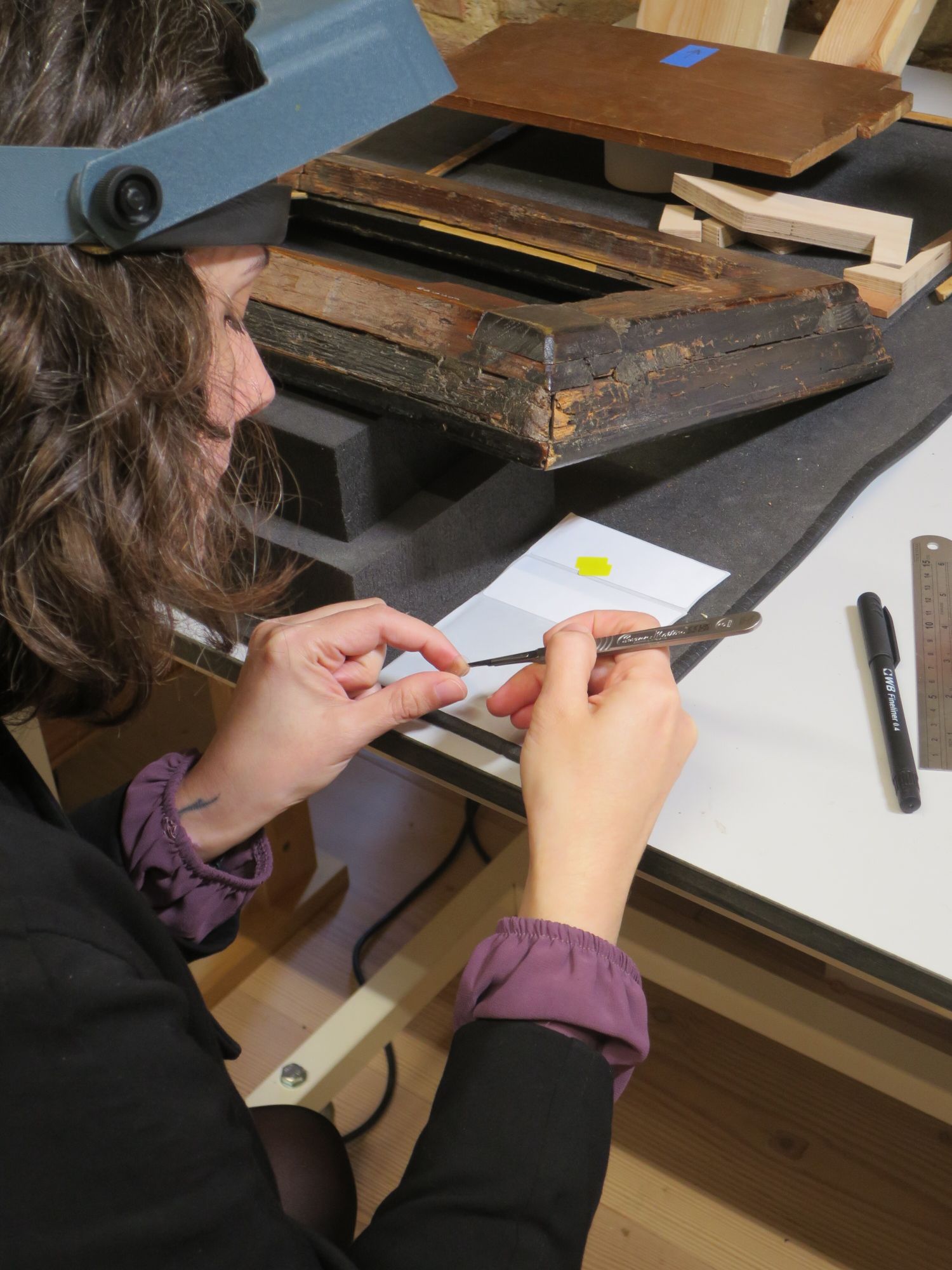
The distinction between heritage science and conservation science is a frequent point of contention. Heritage science is often seen as an umbrella term encompassing all scientific inquiries related to cultural heritage, including analysis, preservation, and interpretation. Conservation science, by contrast, is frequently framed as the subset focused specifically on supporting the conservation and restoration of objects, artworks, and sites. However, these distinctions are not universally agreed upon, and their practical application varies depending on institutional and national contexts. I am often asked by students trying to approach this field, "How do I become a scientist in a museum?" The real answer is that there is no defined route. In my view, the 'privilege' of holding the title of heritage or conservation scientist – terms I see as interchangeable – is not solely defined by one's background, but by the quality and rigor of their work. It is also important to remember that the role adjusts itself to the needs of the institutions and the collections where the scientist works. Moreover, not all of these scientists work in large institutions; many are based in universities, and a few operate in private practice. This adaptability is part of what makes the field so dynamic and rewarding.
Looking Beyond Labels
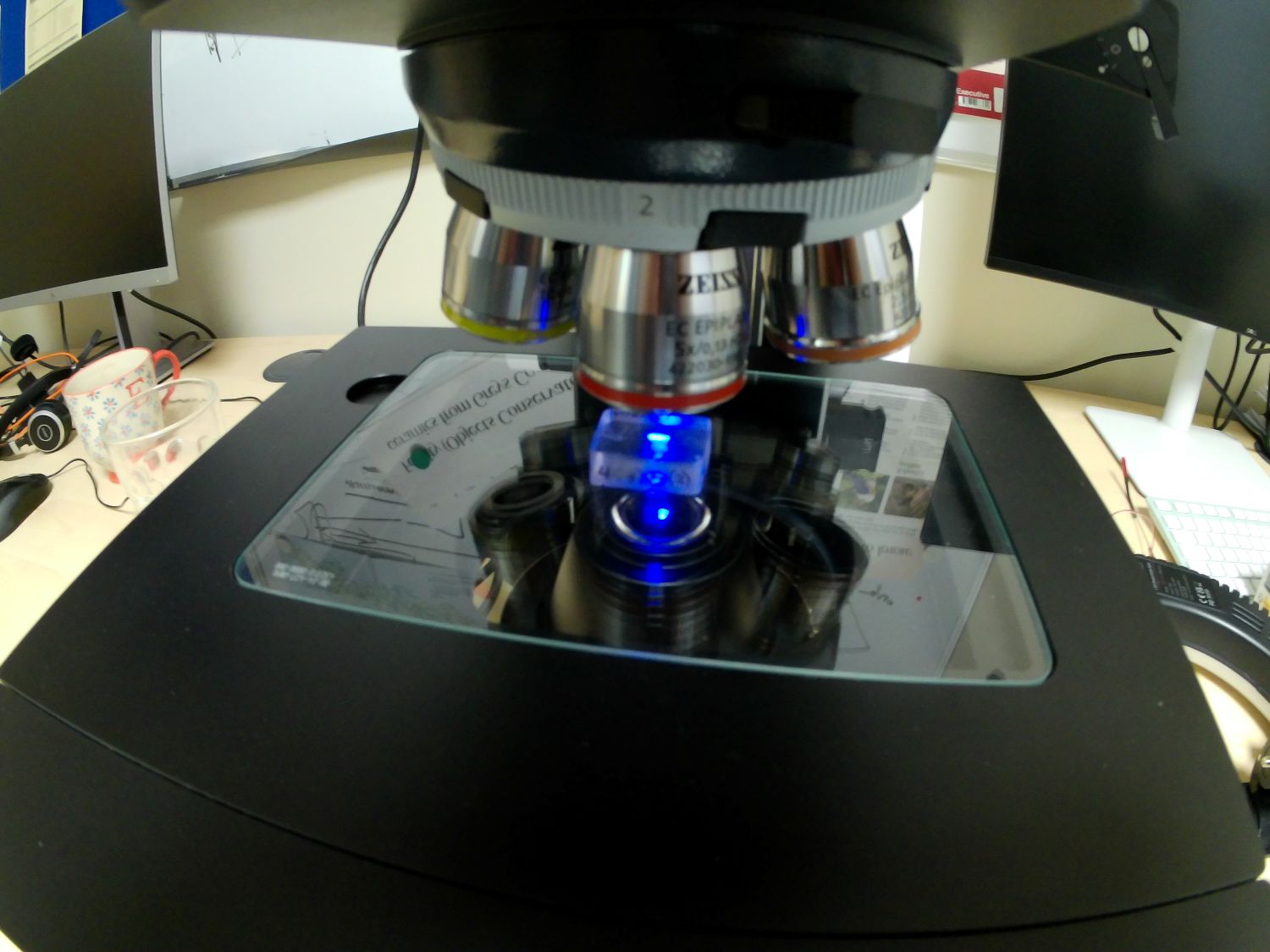
For some, myself included at times, these debates may seem trivial. After all, the goals of both fields are aligned: understanding, preserving, and enhancing our cultural heritage for future generations. But for those working in the sector, these questions of identity can have real implications, influencing funding opportunities, career trajectories, and professional recognition. Rather than fixating on rigid definitions, perhaps it is more productive to embrace the fluid and interdisciplinary nature of this work. Heritage and conservation science thrive on collaboration, and their impact is amplified when professionals with diverse expertise come together to address shared challenges. Ultimately, the question may not be whether one identifies as a heritage scientist or a conservation scientist but how one’s skills and passions contribute to the broader mission of safeguarding our shared past. In a world preoccupied with boxes and labels, it is worth remembering that the work itself often defies such tidy categorization — and that is something to celebrate.
Resources
Below are a few resources that exemplify how different professionals respond to the same question, depending on their background and professional experience.
- English Heritage highlight the focus of heritage scientist mostly on preventive conservation and data analysis: https://www.english-heritage.org.uk/learn/conservation/science/
- UCL Institute for Sustainable Heritage interprets Heritage Science broadly, with an additional focus on data science: https://www.ucl.ac.uk/bartlett/heritage/research/heritage-science-0
- ICCROM definition of the field is broad: https://www.iccrom.org/section/heritage-science
- The MFA Boston tends to lean towards the analytical aspect of this profession: https://www.mfah.org/research/conservation/conservation-science/
- UKRI takes on the broader definition of Heritage Science: https://www.riches.ukri.org/about-riches/what-is-heritage-science/
- It is always useful for scientists interested in heritage to familiarise themselves with the debates on what is heritage, by some of the key thinkers in Critical Heritage Studies
- Harrison, Rodney. "What is heritage." Understanding the politics of heritage 9 (2010).
- Waterton, Emma, and Laurajane Smith. "There is no such thing as heritage." Taking archaeology out of heritage (2009): 10-27.
Written by Valentina Risdonne and the ICON Heritage Science Group
5th June 2026