
Lincoln Conservation specialises in the conservation of historic buildings, decorative interiors (including wallpaper), fine art and artefacts.
Lincoln Conservation is particularly well known for architectural paint / finishes research and materials analysis, helping to rediscover our decorative past and reinstate numerous iconic buildings, historic interiors, royal residences, maritime heritage, theatres and municipal buildings. Wholly owned by the University of Lincoln, Lincoln Conservation has developed an excellent reputation in the sector for high-quality, research-led consultancy and problem solving.
Delivering projects in the UK and abroad, Lincoln Conservation has established an impressive client list including internationally renowned architects, property consultants, cathedrals and churches, stately homes and organisations such as the National Trust, English Heritage, National Trust for Scotland, Historic Royal Palaces, the parliamentary estate, and numerous regional and national museums.
As part of the University of Lincoln, Lincoln Conservation is committed to advancing research, education and impact. We have contributed to the development of European standards and policy, welcome collaboration on research projects, and support the next generation of conservators through student internships and work placements. We also provide continuing professional development (CPD) opportunities for conservators and heritage professionals.
Paintings Conservation
With a highly experienced, qualified and professionally accredited paintings conservator leading the team, Lincoln Conservation are able to offer consultancy and conservation services to museums, art galleries and private clients. In addition to easel paintings, Lincoln Conservation are able to offer consultancy on paintings in an architectural context such as marouflaged canvases, wall paintings and murals, dating from the 17th century to present day.
Paint Research and Materials Analysis
Our suite of analysis services include:
- Architectural paint research
- Pigment analysis using PLM and XRF
- Mortar analysis to British Standard BS4551:2005
- Detection of lead and other toxins in paint using XRF
- Portable FTIR
With many years of experience in architectural paint analysis and research, Lincoln Conservation are leading experts in this highly specialised discipline. We combine scientific analysis and archive research with an understanding of materials and techniques to inform and underpin programmes of conservation or reinstatement.
Conservation of Historic Interiors
As recognised specialists in the cleaning, conservation and reconstruction of decorative schemes, gilding and wallpapers within historic buildings and structures, our team provides:
- Consultancy on the preventive care of historic decoration.
- Comprehensive recording and surveys,archival research, assessment of the building envelope and materials analysis to better understand the causes of deterioration.
- Investigation and research into overpainted or lost decorative schemes, to include paint analysis and uncovering.
- Conservation treatments include surface cleaning, removal of discoloured varnishes and overpaint, repair of substrate and consolidation of flaking paint, filling and reintegration of losses.
Digital Heritage
Lincoln Conservation are at the forefront of digital heritage. Utilising 3D scanning and fabrication technologies in new and novel ways, our team offers a complete service for the scanning and the digitisation of objects, interiors and buildings, through to the replication of virtual or physical artefacts and environments. We offer our clients new ways to digitally preserve and reimagine our heritage assets, allowing audiences to interact with objects and spaces in new and engaging ways, such as virtual immersive environments.
Object Conservation
Lincoln Conservation are recognised specialists in the cleaning, conservation and restoration of historic artefacts in a variety of materials including polychromed wood or stone, wood, ephemera, ceramics, stone, metal, wood and glass.
Our services include:
- Condition surveys
- Research, analysis and trials.
- Treatment plans
- Conservation work
- Preventive conservation
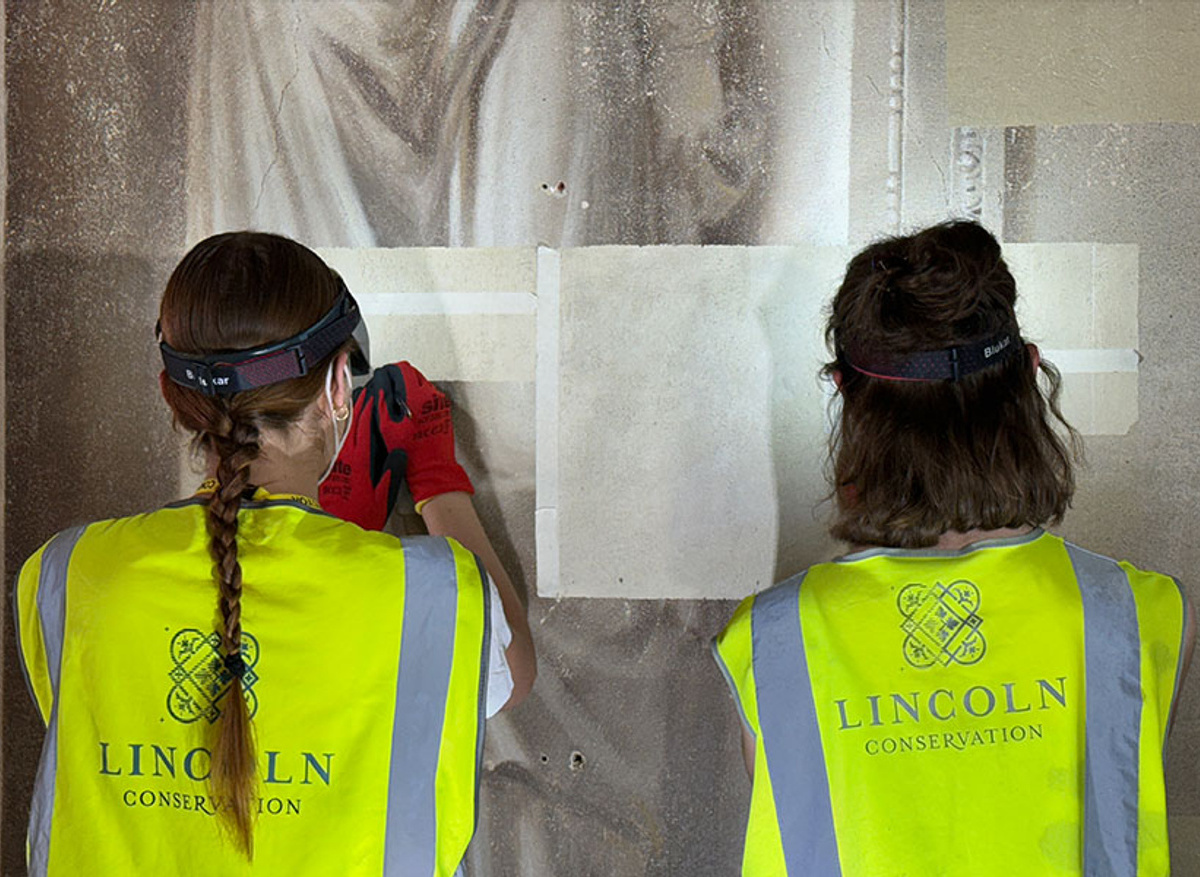
Uncovering a wallpainting attributed to William Kent at Stowe House
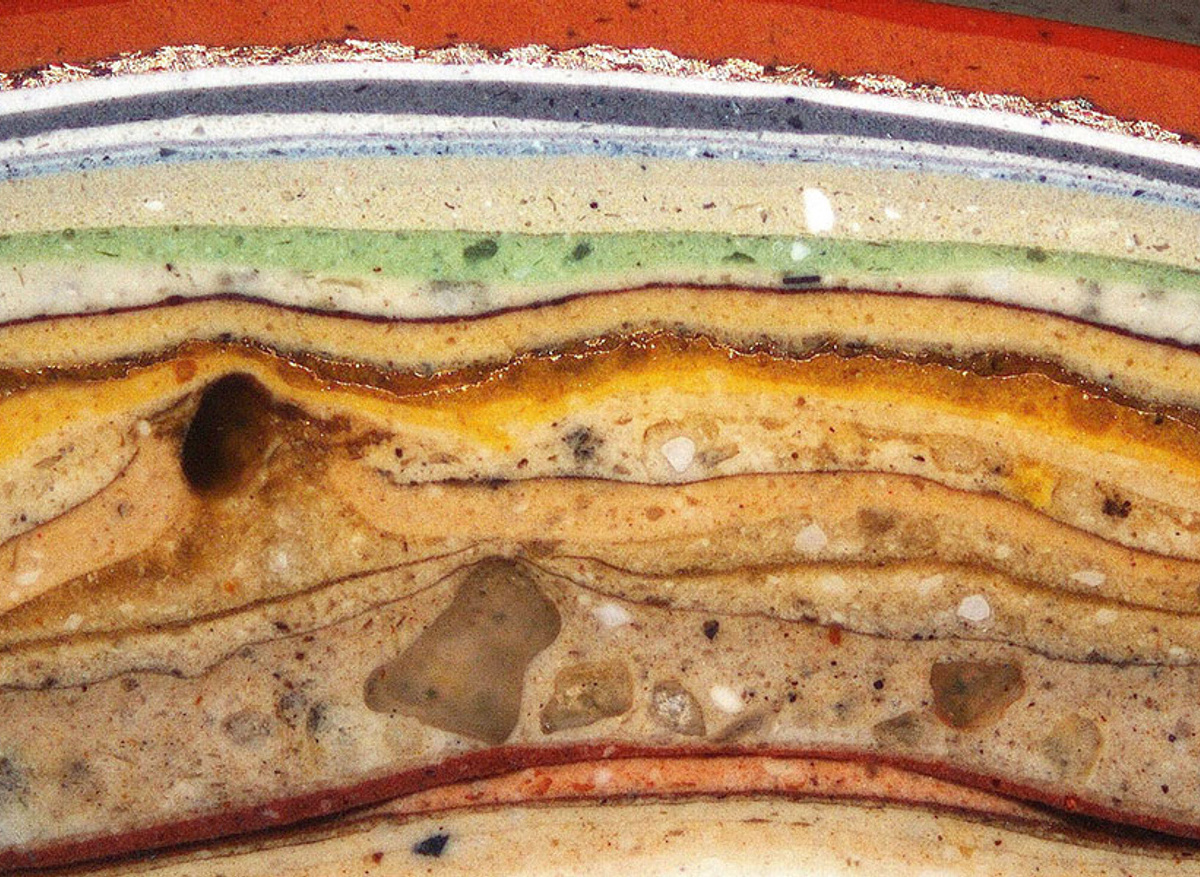
Paint sample in cross-section
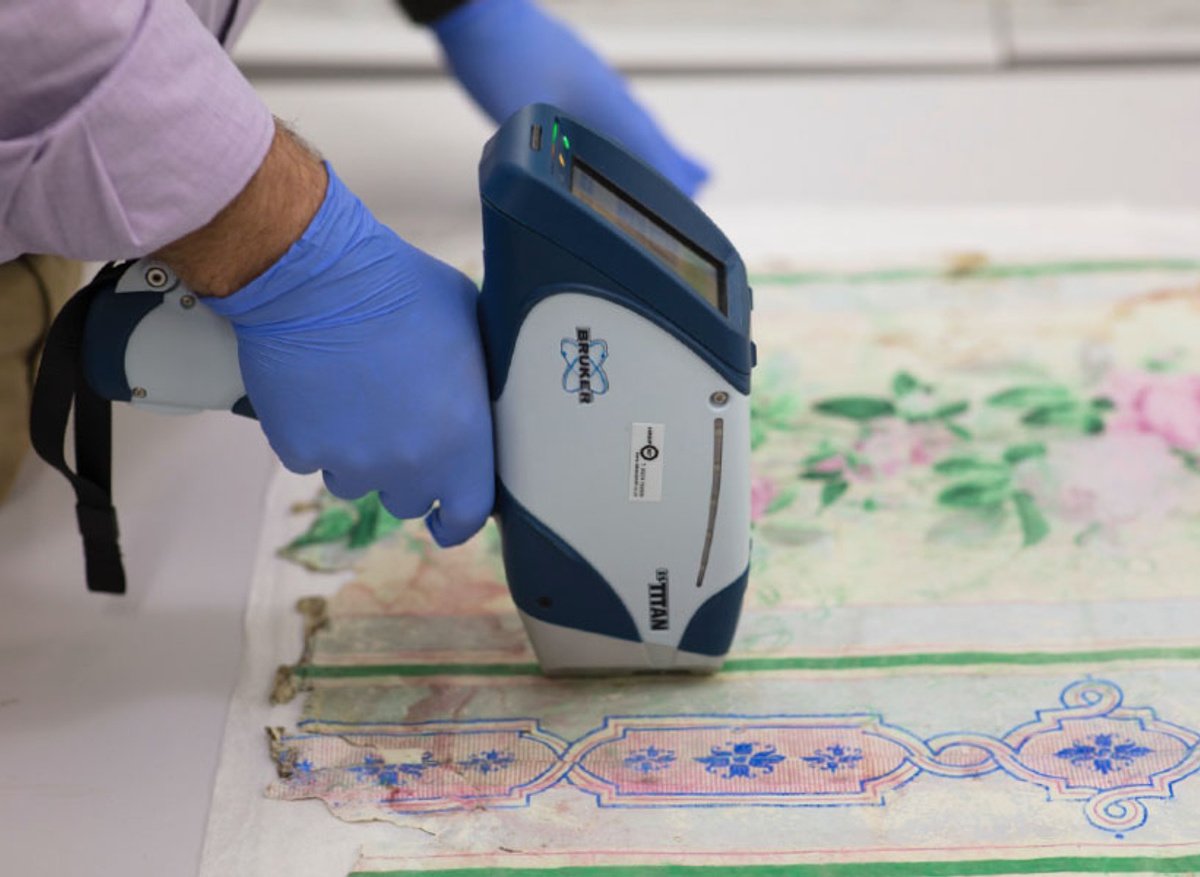
Material analysis of wallpaper
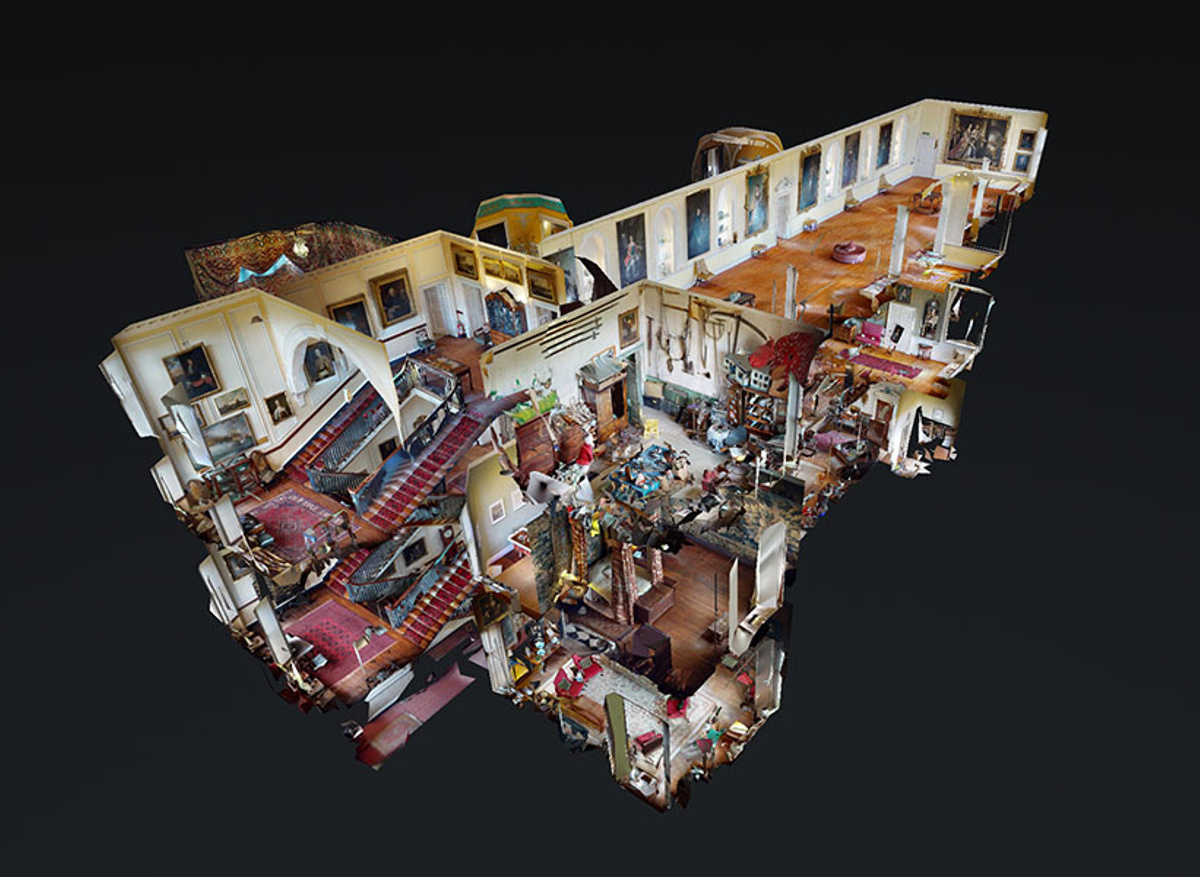
3D scan and virtual immersive environment of Doddington Hall
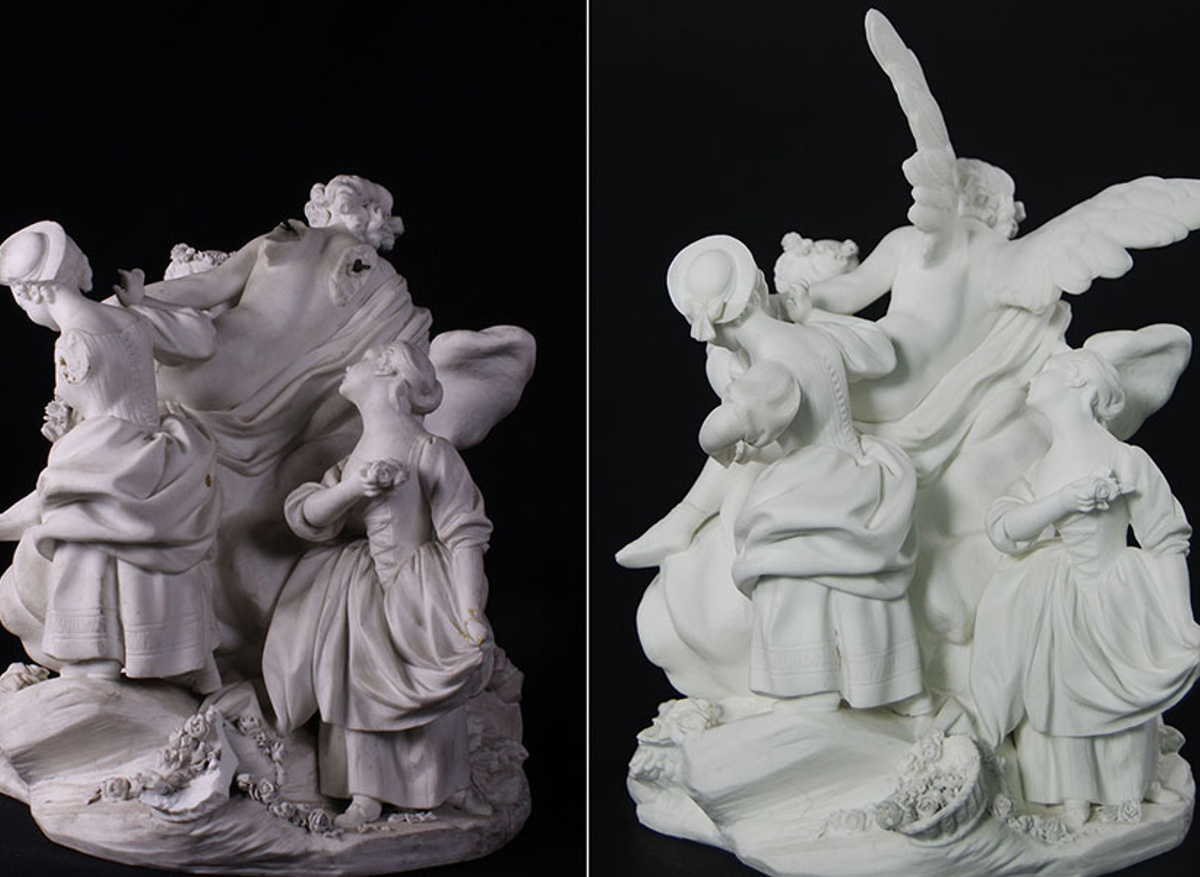
Before and after conservation of Sevre ceramic table piece
Biography
Rhiannon Clarricoates ACR
An accredited paintings conservator and architectural paint researcher, with over 20 years’ experience working on historic interiors and decorative surfaces. She has a wealth of technical knowledge and hands-on experience, making complex conservation challenges clear and accessible for heritage professionals, architects, and clients. Rhiannon has worked as a Senior Research Fellow at the University of Lincoln since 2018, and co-director of Lincoln Conservation since 2024. She has published and presented widely and plays an active role in the conservation community as an accreditation assessor and CPD reader for ICON, and as a conservation advisor on the Lincoln Diocesan Advisory Committee.