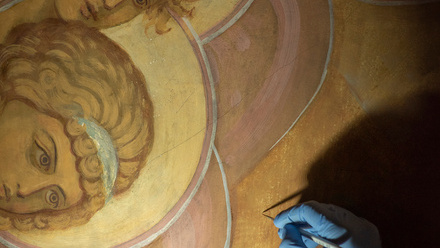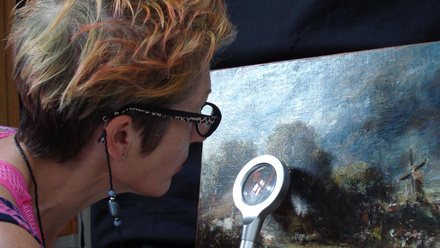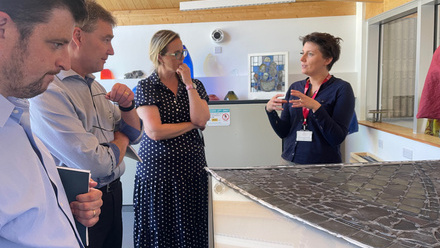
The processes of caring for heritage, preventive and remedial conservation, are often invisible to the public. Conservation has traditionally been viewed as a back‑of‑house activity, and the complex work undertaken on buildings, sites, monuments, and collections is frequently under‑explained. While some recent initiatives, such as open‑store museums and conservation‑focused television programmes, have begun to bring conservation into the public eye, these remain relatively limited. Strengthening public understanding of conservation is essential for building long‑term support and investment
Globalisation and international tourism have brought cultures into closer contact, encouraging appreciation of shared and divergent traditions. At the same time, concerns about cultural homogenisation have prompted many communities to emphasise local heritage as a means of protecting distinct identities..
Cultural heritage has also become recognised as a driver of economic development, especially through tourism. Governments and destination organisations have invested in heritage to attract visitors and stimulate local economies. Film and television productions have played a parallel role, bringing history to life and encouraging visits to featured locations.
Sustainability concerns have extended to heritage, highlighting the need to safeguard both physical sites and intangible traditions for future generations. Climate change impacts on monuments, the preservation of traditional crafts, and global initiatives such as ICCROM’s Our Collections Matter have reinforced the link between cultural and environmental stewardship.
Recent decades have also seen greater attention to historical injustices, colonialism, slavery, and the displacement of Indigenous communities, prompting renewed interest in heritage as a tool for understanding, reconciliation, and inclusion. The return of looted artefacts and the recognition of marginalised narratives have underscored the need for more comprehensive approaches to interpretation and care.
Putting Conservation on Display
Taylor & Francis have commissioned us to examine how conservation principles and practices are communicated to public audiences across different platforms. Putting Conservation on Display will explore how the care of monuments, buildings, sites, and collections is presented to visitors, both on‑site and online. It will also consider how organisations responsible for intangible heritage communicate the safeguarding of traditions, skills, and cultural practices.
The book will examine:
- how conservation of heritage sites and monuments is explained to visitors
- how museums and galleries interpret preventive and remedial conservation in exhibitions and displays
- the role of television, radio, and online video in presenting conservation to broad audiences
- traditional communication methods—books, newspapers, talks, walks—and the impact of new media
- how international agencies such as ICCROM, ICOM, ICOMOS and UNESCO foster public interest
- how sector bodies such as ICON and ICOM‑CC advocate for conservation
- how museums and archives highlight the care of stored collections through open‑store and visible‑storage models, including examples such as the V&A East Storehouse, the Science Museum’s Darwin Centre, Glasgow Museums Resource Centre, the Depot Boijmans Van Beuningen, the Louvre Conservation Centre, and MoMA’s Archives and Study Center.
Our aim is to create a global resource and best practice guide to support conservation professionals in communicating their work effectively to public audiences.
Call for Case Studies
We are inviting UK and international contributors to submit case studies or participate in interviews exploring the opportunities and challenges of putting conservation on display. If you would like to discuss submitting a case study or taking part in an interview, we would be delighted to hear from you.
Contact: Jane Henderson – [email protected] or Timothy Ambrose – [email protected]
Timothy Ambrose is an international consultant working in the field of museums and cultural heritage. He was formerly Director of the Scottish Museums Council, Senior Research Fellow in European Museum Studies at City University, London and Chair of ICOM UK. He is a Fellow of the Society of Antiquaries of London and a Fellow of the UK Museums Association. He has a particular interest in the role of museums in place-making and destination development and has published widely on museums and cultural heritage. His book Museum Basics – the International Handbook, co-authored with Crispin Paine, is published by Taylor & Francis and is now in its 5th edition (2025).
Jane Henderson is a Professor of Conservation and a Plowden Medal winner. She is an expert on conservation of cultural heritage for the European standards body CEN TC 346 WG11 and serves as Chair of the BSI standard group B/560 concerned with the conservation of tangible cultural heritage. She was nominated by Icon to sit on the council of the UK National Trust. She serves on the editorial panels of the Journal of the Institute for Conservation and the Science Museum Group Journal. She is the immediate past Secretary General of the International Institute for Conservation and past President of the Welsh Federation of Museums and Art Galleries.