Join the Wellcome Collection for an afternoon of presentations and discussion exploring the care, significance, and conservation of Tibetan material culture.
Bringing together conservators, researchers, and community voices, this seminar considers how Conservation practice can respond thoughtfully to the material, cultural, spiritual, and community dimensions of these objects.
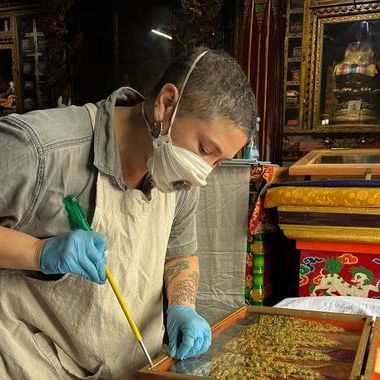
Through a series of short talks, speakers will share perspectives on contemporary thangka conservation, community understandings of care and stewardship, approaches to open dialogue with source communities, new scientific research into artists' materials and pigments, and caring for esoteric ritual materials, including human remains.
The seminar will conclude with a panel discussion and audience Q&A, providing an opportunity to reflect on the challenges and opportunities caring for culturally sensitive collections often present within the heritage sector today.
The seminar will be of interest to conservators, curators, heritage professionals, researchers, students, and anyone interested in Tibetan and Himalayan cultural heritage and culturally sensitive collections. Attendees can expect an engaging afternoon of knowledge sharing, dialogue, and reflection.
A forum for conversation, learning, and collaboration around the care of Tibetan material culture.
Programme
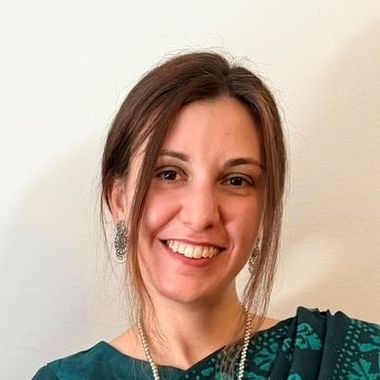
1) Ayesha Fuentes: ‘But is it real?’: Caring for Buddhist ritual objects in UK collections
Drawing from 15 years of conservation research and work within practitioner communities of the Tibetan Plateau and Himalayas, this presentation will discuss ritual materials used in Buddhist tantra (Vajrayāna) and their care in UK collections. This includes human remains, ephemera and other ritual objects with a special focus on esoteric practices, relics and offerings made to wrathful or protector deities. Using examples from the Wellcome Collection, this presentation will introduce the historiography of Buddhist ritual objects, their function within diverse religious contexts, restrictions related to specific teachings, pest management, and sources accessible to non-practitioners for understanding their ethical care and handling. In addition to presenting the diverse bodies of knowledge engaged through these materials, this presentation emphasizes the refinement of our methods and intentions as their present institutional caretakers.
2) Tersea Heady: TBC
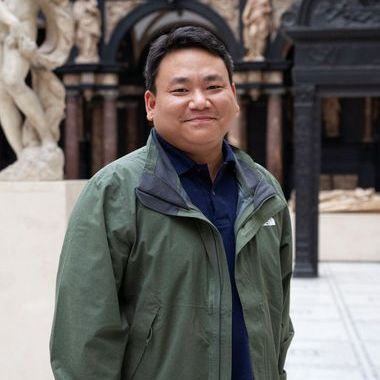
3) Dr Thupten Kelsang: 'Re-animating Tibetan Heritage'
Although Tibet no longer exists as an independent state, its material heritage continues to circulate widely. It is collected, traded, displayed and interpreted across museums, the art market and academia. Much of Tibet’s portable heritage now sits in museum collections across the Global North, entangled in a “doubly colonial” history of British and Chinese looting in the twentieth century. This contested history raises a pressing question: who can represent Tibetan interests in museums and within the “authorised heritage discourse”?
Community engagement has become increasingly mainstream across the UK museum and heritage sector and beyond. Yet practice and discourse still tend to focus on what that engagement produces rather than how it is done. Using Tibetan collections as a case study, the Reanimating Tibetan Heritage (RTH) project develops a proof of concept and a methodology for working with communities at the intersection of theory and museum practice. Building on the long-term ethnographic research with the Tibetan diaspora, the project is co-developing ethical recommendations for how Tibetan material heritage is cared for, displayed, and interpreted. Working with conservators and curators from fourteen participating institutions, the research examines the ethical and critical challenges these institutions share in caring for Tibetan collections, and begins to address their colonial entanglements. In doing so, it proposes new decolonial approaches to museums, contested collections and community collaboration.
4) Maddalena Magnani:
Thangka paintings have been studied from the anthropological, art-historical, religious, and iconographic points of view in the last two centuries. The systematic study of their materials and techniques is still being slowly built by research and conservation practice. Starting from the available art-historical literature, the talk will address the effectiveness of a range of mainly non-invasive scientific analyses to detect and characterise organic and inorganic components. The use of different materials throughout the centuries will be discussed, based on the published literature and the speaker’s recent research experience.
We want this event to be as accessible as possible. The event will be live captioned and you can find accessibility information about Wellcome Collection on their website.
Please get in touch with them in advance to discuss other ways they could make the event most accessible to you by emailing [email protected] and [email protected]
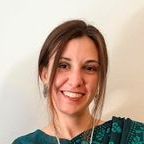
Ayesha Fuentes
Teresa Heady
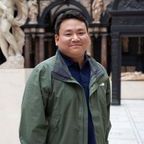
Dr Thupten Kelsang